

Tooth extraction is a common dental procedure performed for various reasons, including severe tooth decay, infection, orthodontic treatment, or impacted wisdom teeth. While the procedure itself is often quick and painless with anesthesia, the recovery period is critical. One of the most important factors in ensuring proper healing is your diet after extraction. Eating the wrong foods can slow healing, cause pain, or even lead to complications like dry socket. On the other hand, the right foods can promote healing, reduce discomfort, and maintain your nutritional balance.
In this comprehensive guide, we’ll explore what to eat after tooth extraction, what foods to avoid, and tips for a smooth recovery. By following these recommendations, you can speed up healing, protect your gums, and maintain your overall health.
1. Understanding Tooth Extraction and Recovery
When a tooth is extracted, your body immediately begins a natural healing process. After the tooth is removed:
- Blood clots form in the empty socket to protect the bone and nerve endings.
- Gum tissue starts closing over the extraction site.
- Bone begins to remodel, preparing for complete healing.
The healing process generally follows this timeline:
- First 24 hours: Formation of the blood clot is crucial. Dislodging the clot can lead to a painful condition called dry socket. Swelling and mild discomfort are common.
- Days 2–3: Swelling may peak. Pain may be present but usually manageable with prescribed or over-the-counter medication.
- Week 1: Gum tissue gradually closes over the extraction site. Eating soft foods is essential.
- Weeks 2–3: Healing continues. Most patients can resume a normal diet by the end of the second week.
Your choice of foods plays a vital role during this healing period. Eating hard, spicy, or acidic foods too soon can irritate the gums, dislodge the clot, or cause infection.
2. Immediate Post-Extraction Diet (First 24 Hours)
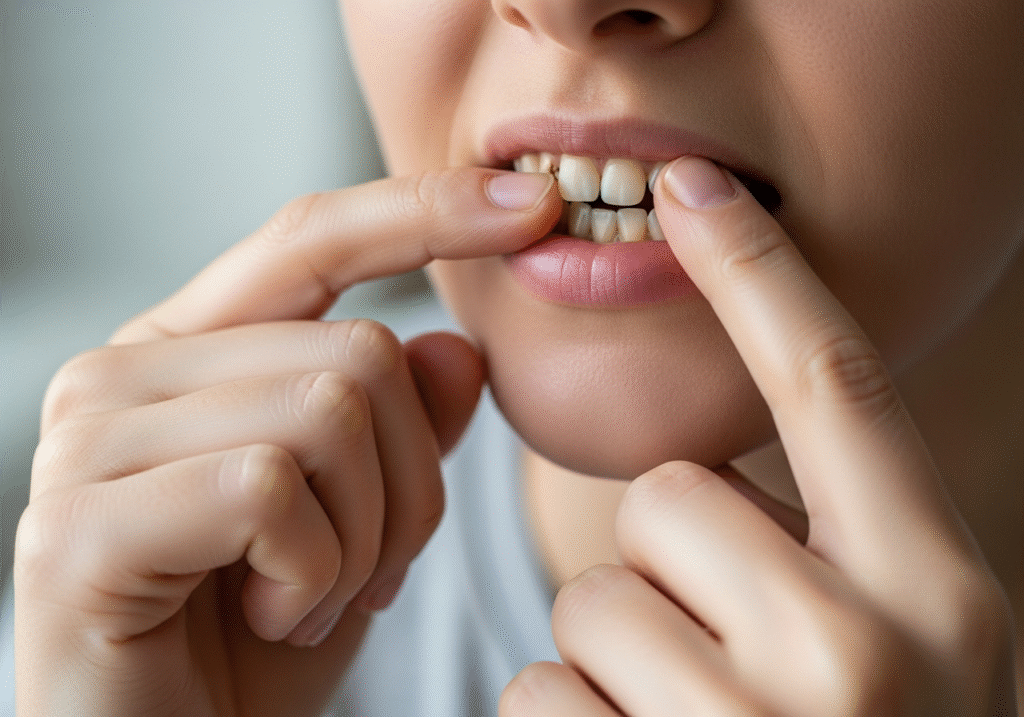
The first 24 hours are the most critical for protecting the blood clot and minimizing pain. During this period, your goal is to consume soft, cool, or lukewarm foods that are easy to swallow and won’t irritate the gums.
Recommended Foods:
- Cold or lukewarm soft foods: Yogurt, pudding, applesauce, mashed potatoes.
- Smooth liquids: Milkshakes, protein shakes, fruit smoothies.
- Ice chips or cold water: Can help reduce swelling and provide hydration.
Foods to Avoid:
- Hot beverages or foods, which can dissolve the blood clot.
- Hard or crunchy foods, such as nuts or chips.
- Spicy or acidic foods that irritate the gums.
- Alcohol and carbonated drinks.
Tips for the First Day:
- Eat slowly and in small portions.
- Avoid using a straw to prevent dislodging the clot.
- Drink plenty of water to stay hydrated.
- Rest and avoid strenuous activity to minimize bleeding.
3. Nutrients That Promote Healing
Proper nutrition supports faster recovery and strengthens your immune system. Here are the key nutrients your body needs after tooth extraction:
Protein
- Essential for tissue repair and wound healing.
- Sources: Soft eggs, tofu, mashed beans, soft fish, dairy products.
Vitamin C
- Promotes collagen formation, vital for gum tissue repair.
- Sources: Mashed or pureed fruits like bananas, papaya, berries, or blended smoothies.
Calcium and Vitamin D
- Strengthen bones and support overall healing.
- Sources: Yogurt, milk, soft cheeses, fortified plant-based milk.
Zinc and Iron
- Support immune function and blood clotting.
- Sources: Pureed lentils, mashed beans, soft-cooked vegetables.
Tip: Combining soft foods with these nutrients ensures balanced meals, e.g., a smoothie with yogurt, banana, and spinach provides protein, vitamin C, calcium, and iron.
4. Soft Foods for the First Week
During the first week after extraction, stick to soft foods that require minimal chewing. Avoid hard, sticky, or sharp-edged foods.
Breakfast Ideas
- Oatmeal (softened with milk or water)
- Scrambled, poached, or soft-boiled eggs
- Smoothies with soft fruits and yogurt
- Mashed bananas or avocado
Lunch Ideas
- Creamy soups (chicken, vegetable, lentil)
- Mashed potatoes with butter or cheese
- Soft-cooked pasta with light sauces
- Soft sandwiches (without crusts)
Dinner Ideas
- Well-cooked vegetables (carrots, zucchini, squash)
- Soft fish like cod, tilapia, or salmon
- Stews with tender meat or legumes
- Soft rice, quinoa, or couscous
Snacks
- Yogurt
- Pudding
- Applesauce
- Soft cheese cubes
- Smoothies
Preparation Tips:
- Mash or puree foods for easier swallowing.
- Avoid seeds, small grains, or anything that could lodge in the extraction site.
- Keep flavors mild; avoid spicy seasonings.
5. Foods to Avoid After Tooth Extraction

Certain foods and drinks can hinder healing, increase pain, or cause complications.
Hard, Crunchy, or Sticky Foods
- Chips, nuts, popcorn, granola bars.
- Risk: Can dislodge the blood clot or irritate the gums.
Spicy and Acidic Foods
- Hot sauce, citrus fruits, tomatoes.
- Risk: Irritation and burning sensation in the gums.
Alcohol and Carbonated Beverages
- Can slow healing and disturb the clot.
Smoking and Tobacco
- Increases the risk of dry socket.
- Slows overall healing.
6. Sample Meal Plan After Tooth Extraction
Here’s a practical 3-day meal plan to guide you during the first week:
Day 1
- Breakfast: Mashed banana and yogurt
- Lunch: Creamy vegetable soup
- Dinner: Mashed potatoes with soft-cooked carrots
- Snacks: Applesauce, ice chips
Day 2
- Breakfast: Oatmeal with milk
- Lunch: Scrambled eggs and soft bread
- Dinner: Lentil soup, pureed if needed
- Snacks: Smoothie, pudding
Day 3
- Breakfast: Avocado on soft bread
- Lunch: Soft pasta with mild sauce
- Dinner: Steamed fish with soft vegetables
- Snacks: Soft cheese, yogurt
Tips:
- Gradually increase the texture of foods after 3–4 days.
- Chew on the opposite side of the extraction site.
- Avoid hot, spicy, or hard foods until fully healed.
7. Eating Safely After Tooth Extraction
Even soft foods require careful handling to prevent complications:
- Chew on the opposite side of the extraction site.
- Take small bites and eat slowly.
- Avoid straws or sucking motions.
- Rinse gently with saltwater after meals to remove food debris.
- Keep the extraction site clean but avoid vigorous brushing directly over it.
8. Gradual Return to Normal Diet

As your gums heal, you can start reintroducing more textured foods:
- Week 2: Soft sandwiches, soft-cooked meats, rice, pasta.
- Week 3: Gradually return to a normal diet, but avoid very hard or sticky foods until fully healed.
Caution: Always monitor the extraction site for pain, swelling, or bleeding before introducing harder foods.
9. Additional Tips for Faster Healing
- Stay Hydrated: Water, herbal teas, and smoothies keep you hydrated.
- Rest: Avoid strenuous activities in the first few days.
- Follow Dentist’s Instructions: Take prescribed medications, including painkillers or antibiotics, as directed.
- Use Cold Compresses: To reduce swelling in the first 24 hours.
- Avoid Irritants: Tobacco, alcohol, and very hot foods slow healing.
10. When to Contact Your Dentist
While most healing is smooth, certain symptoms require immediate attention:
- Persistent or worsening pain
- Swelling that does not reduce
- Pus or foul taste in the mouth
- Bleeding that won’t stop
- Difficulty opening the mouth or swallowing
These could indicate infection or dry socket, which needs prompt treatment.
11. Conclusion
Eating properly after tooth extraction is essential for fast recovery and minimizing discomfort. Focusing on soft, nutrient-rich foods, careful chewing, and avoiding harmful foods can significantly improve healing.
While it may feel restrictive at first, the first week or two are crucial for your gums to heal properly. Gradually, you can return to a normal diet while maintaining good oral hygiene and supporting your body’s natural healing process.
By following this guide, you can recover comfortably, maintain proper nutrition, and reduce the risk of complications.
50 Soft Foods to Eat After Tooth Extraction
Yogurt, mashed potatoes, oatmeal, smoothies, pudding, scrambled eggs, soups, avocado, soft cheese, mashed bananas, etc.
First Night After Tooth Extraction What to Eat
Soft, cool foods like yogurt, mashed potatoes, or applesauce.
What to Eat After Tooth Extraction in India
Khichdi, dal soup, curd, soft idli, upma, mashed vegetables, rice porridge.
What Can I Eat 24 Hours After Tooth Extraction
Yogurt, smoothies, mashed potatoes, applesauce, broths, pudding.
When Can I Eat Solid Food After Tooth Extraction
Usually after 1–2 weeks, depending on healing.
What Can I Eat 3 Days After Tooth Extraction
Soft-cooked pasta, soups, scrambled eggs, mashed vegetables, soft fish.
Can I Eat Noodles After Tooth Extraction
Yes, only if soft and well-cooked.
What to Eat After Tooth Extraction Reddit
Soft foods like smoothies, yogurt, soups, mashed potatoes, soft rice, and oatmeal.