
If you’ve ever asked yourself why does my tooth filling hurt after months, you’re not alone. Many people experience tooth sensitivity or unexpected dental pain long after a filling seems to have healed. This discomfort can be caused by issues such as nerve inflammation, a high filling, cracked teeth, or recurrent decay under the restoration. Even slight changes in your bite or daily habits can make the tooth more reactive. Understanding the reasons behind delayed filling pain is essential to protect your oral health and prevent complications such as infection or the need for a root canal.
A tooth filling is meant to restore a damaged tooth and eliminate pain caused by cavities. Most people expect that once the cavity is filled, the discomfort will end. However, in some cases, a tooth may start to hurt months after the filling procedure. This unexpected pain can be worrying and confusing. Understanding why this happens, what it might indicate, and how to address it is essential for protecting your oral health and preventing further complications.
Tooth pain after months can have several causes, ranging from minor issues like bite problems to more serious conditions like nerve inflammation or decay beneath the filling. While some discomfort may be temporary, persistent or increasing pain should never be ignored. Recognizing the type of pain and its triggers can help you determine the next steps and seek timely treatment.
Common Reasons a Tooth Filling Hurts After Months
Tooth fillings are usually effective, but sometimes problems arise. One of the most frequent causes of delayed pain is an improperly adjusted bite. If a filling is slightly higher than the surrounding teeth, it can create pressure when chewing. This uneven pressure can irritate the tooth and the surrounding tissues over time, resulting in pain that may not appear immediately after the filling. Patients often notice this type of discomfort when biting down, especially on hard foods.
Another common cause is inflammation of the tooth’s pulp, the soft tissue inside the tooth containing nerves and blood vessels. Deep cavities can irritate the pulp, and even after the filling is placed, the nerve may remain sensitive. In some cases, the inflammation is reversible and gradually subsides. In other instances, the pulp becomes irreversibly damaged, leading to persistent throbbing pain that may require a root canal treatment.
Cracks in the tooth surrounding the filling can also cause delayed discomfort. Large fillings can weaken the structure of the tooth, making it more susceptible to fractures. Even minor cracks can create sharp, intermittent pain, particularly when pressure is applied during chewing. These cracks often go unnoticed until the tooth begins to react to normal use.
Decay beneath the filling is another reason a tooth may hurt months later. Fillings are meant to seal out bacteria, but if the seal fails, new decay can develop underneath. This recurrent decay can cause sensitivity, bad taste, or a dull ache. Over time, untreated decay may reach the pulp, leading to more serious pain and infection.
In some cases, the material used for the filling can contribute to discomfort. Metal fillings may expand or contract with temperature changes, causing pressure on the tooth. Composite fillings can sometimes shrink slightly after placement, creating gaps that allow bacteria to enter. While modern materials are generally safe and effective, individual reactions and material-specific issues can occasionally cause delayed pain.
Types of Pain and What They Indicate
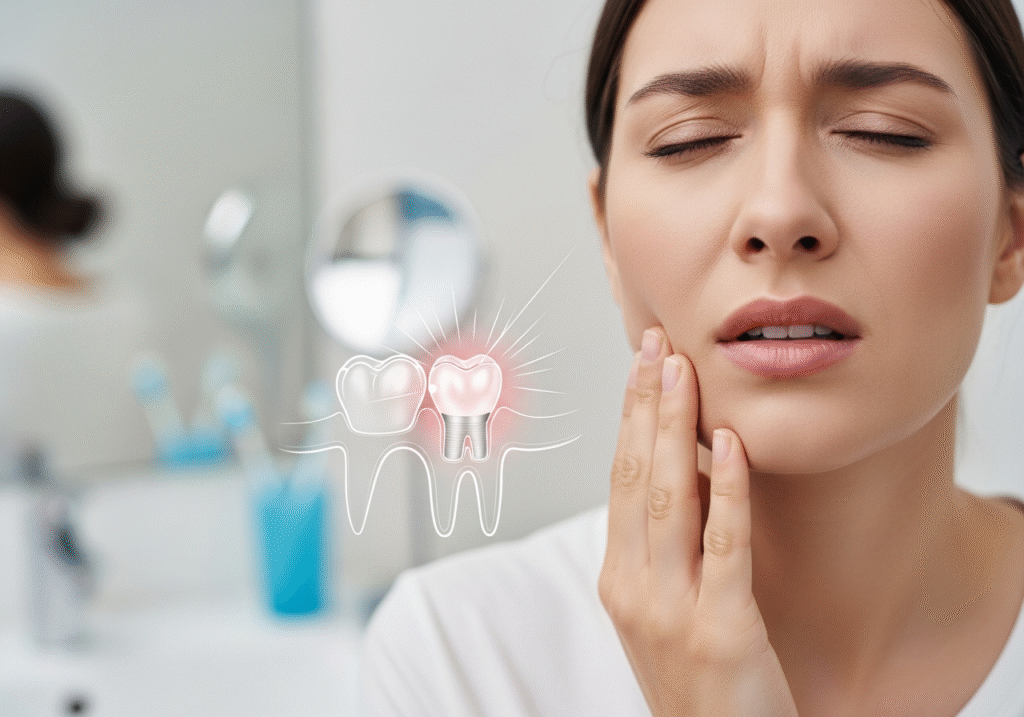
The nature of the pain can provide important clues about the underlying issue. Sharp pain when biting down often points to a high filling or a cracked tooth. Sensitivity to cold or sweets is commonly associated with nerve irritation or reversible pulpitis. A dull, throbbing ache that worsens over time may indicate irreversible pulpitis or an infection. Pain that comes and goes randomly, especially at night, can be a sign that the nerve inside the tooth is deteriorating and requires prompt attention. Recognizing these patterns can help you communicate effectively with your dentist and determine the best course of action.
Other signs may include swelling in the gums, a bad taste or odor in the mouth, or discomfort that radiates to the jaw or ear. These symptoms suggest that the issue may be more serious and that professional evaluation is needed as soon as possible. Tooth pain should never be ignored, even if it seems minor at first, because delays in treatment can make the problem worse.
How Dentists Diagnose Post-Filling Pain
Dentists have several tools to diagnose why a tooth is hurting months after a filling. The process often starts with a thorough examination of the tooth, surrounding gums, and bite alignment. X-rays may be taken to check for decay under the filling, fractures, or infections near the root. Dentists may also test the tooth’s response to temperature and pressure to determine if the pulp is inflamed or infected. Sometimes, bite adjustments or removal of the existing filling is required to fully understand the cause of the pain.
Early diagnosis is critical to prevent further damage to the tooth. By identifying the specific issue, the dentist can recommend the most appropriate treatment, whether it’s a simple bite adjustment, replacement filling, root canal therapy, or in severe cases, tooth extraction.
Treatment Options for Pain Months After a Filling
Treatment depends on the underlying cause. If the bite is uneven, a simple adjustment can relieve pressure and eliminate pain. If decay has returned or the filling has failed, the dentist may remove and replace the filling. For nerve-related issues such as irreversible pulpitis, a root canal may be necessary to remove the damaged tissue and relieve pain. In cases of cracked or weakened teeth, a dental crown may be recommended to protect the tooth and restore its strength. Severe infections or irreparable damage may require tooth extraction, though this is usually a last resort.
Temporary relief at home can help manage discomfort until professional care is obtained. Rinsing with warm saltwater, applying a cold compress, avoiding hard foods, and taking over-the-counter pain medications can reduce symptoms. However, these measures do not treat the underlying problem and should only be considered short-term solutions.
Preventing Filling-Related Pain in the Future
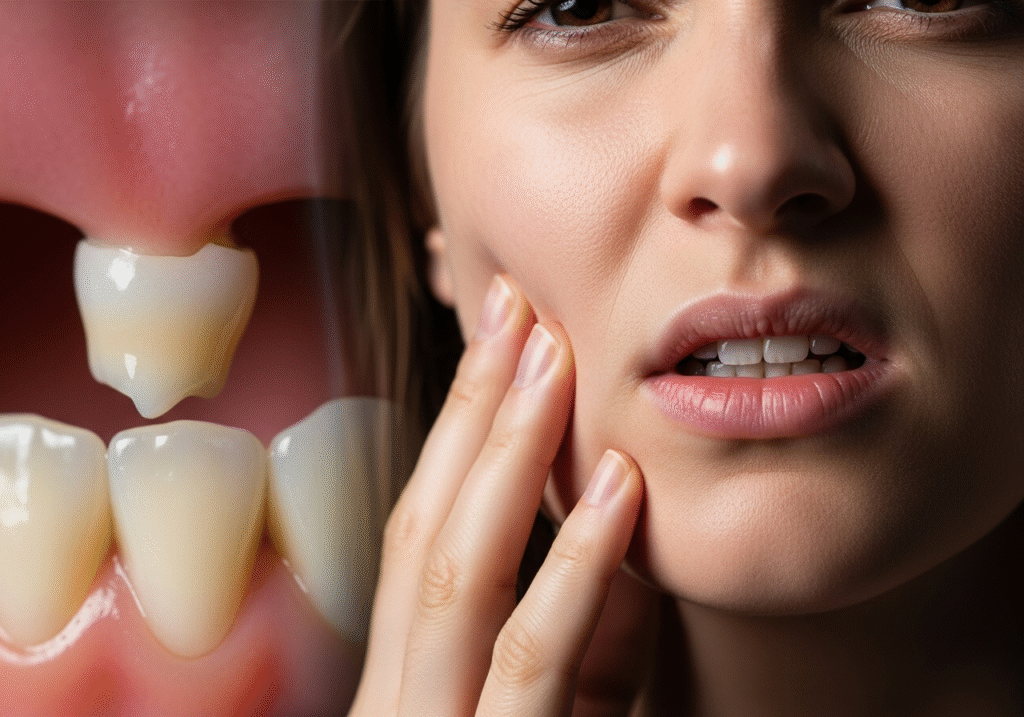
Good oral hygiene is the foundation for preventing complications after a filling. Brushing and flossing regularly, avoiding excessive sugary foods, and visiting the dentist for routine checkups can help maintain the integrity of fillings. Additionally, addressing issues such as teeth grinding, clenching, or misaligned bites can reduce the risk of delayed pain. Communicating openly with your dentist about any sensitivity or discomfort can also prevent minor issues from becoming serious problems.
Modern fillings are durable and effective, but they still require care and attention. By taking proactive steps, patients can minimize the likelihood of experiencing pain months after a filling and maintain healthy, comfortable teeth for years to come.
When to See a Dentist
Persistent, severe, or worsening pain is never normal and should prompt a dental visit. Signs that require urgent attention include throbbing pain, swelling, pus, difficulty chewing, and spreading pain to the jaw or ear. Early intervention not only relieves discomfort but also prevents more serious complications such as infection, abscess formation, or tooth loss. Even mild or intermittent pain should be evaluated if it lasts for weeks or months, as early diagnosis often leads to simpler and less invasive treatment.
Remember, a filling is intended to restore comfort and function. Pain that appears months after the procedure indicates that something inside the tooth or around it has changed, and professional assessment is the best way to protect your oral health.
Final Thoughts
Tooth pain months after a filling can be alarming, but understanding the potential causes and recognizing the symptoms is the first step toward relief. Whether it’s a high filling, nerve inflammation, a cracked tooth, or recurrent decay, proper diagnosis and treatment can restore comfort and prevent further damage. While temporary home remedies may provide some relief, consulting a dentist promptly is essential. Maintaining good oral hygiene, monitoring your teeth for changes, and seeking care when needed are the best ways to ensure long-term dental health.
Your teeth are meant to serve you for a lifetime. Paying attention to delayed filling pain and addressing it early helps keep them healthy, strong, and pain-free.
Why does my tooth filling hurt after a week
The tooth may be sensitive due to nerve irritation or bite pressure, which usually settles within a few days to a week.
Why does my tooth filling hurt after years
Pain years later often indicates new decay, a cracked tooth, or a failing filling requiring dental evaluation.
Why does my tooth filling hurt after months Reddit
Many people report delayed pain from nerve irritation, high fillings, cracks, or recurrent decay under the filling.
Why does my tooth filling hurt after 2 weeks
Sensitivity after two weeks may be due to inflammation of the nerve or an uneven bite that needs adjustment.
Toothache after filling getting worse
Worsening pain can indicate pulp infection or decay under the filling and needs prompt dental care.
Filling sensitive after 4 months
Ongoing sensitivity may be from a high filling, minor nerve irritation, or developing decay.
Why does my tooth filling hurt after months remedy
Filling sensitive after 6 months
Sensitivity this long can indicate nerve inflammation, cracks, or recurrent decay and should be evaluated by a dentist.