

A simple toothache may feel like a minor annoyance, but when bacteria invade deep into a tooth, they can trigger a dental abscess that threatens more than just your smile. The real danger prompts a chilling question: can a tooth infection kill you? In rare but serious cases, this infection can spread through your bloodstream and spark sepsis, travel into the jawbone or sinuses, or even cause a brain abscess, putting your life at risk. Raising awareness about these hidden complications can make the difference between a quick clinic visit and an emergency.
Dental pain is something almost everyone experiences at some point in their lives. A minor ache in a tooth is often brushed off as a temporary nuisance, something that will resolve on its own or with a simple over-the-counter painkiller. However, while toothaches are common, the dangers they can represent are often underestimated. A seemingly simple dental infection can escalate into a life-threatening condition if left untreated. The question “Can a tooth infection kill you?” is not just sensational—it is grounded in medical reality. Though rare, fatal outcomes from dental infections do occur, making it imperative to understand how infections develop, the risks they pose, and what actions can prevent serious complications.
What Is a Tooth Infection?
To fully grasp the risks associated with a tooth infection, it is important first to understand what it is. A tooth infection, medically known as a dental abscess, is caused by bacterial invasion of the tooth’s inner tissues. This infection leads to the formation of pus and inflammation. While it often begins as a localized issue, the infection has the potential to spread to other parts of the body. Dental infections typically originate from untreated cavities, periodontal disease, or trauma to the tooth. The bacteria involved are usually the same types that inhabit the mouth naturally, but when they enter the inner layers of the tooth or the surrounding gums, they can multiply rapidly, causing severe local inflammation.
There are several types of dental infections. A periapical abscess occurs at the tip of the tooth root and usually results from untreated tooth decay. A periodontal abscess, on the other hand, forms in the gums and affects the supporting structures around a tooth. In more severe cases, a dental infection can spread into the surrounding facial tissue, a condition known as cellulitis, which can distort facial features and compromise critical structures such as the airway. Understanding the type and location of a tooth infection helps determine the severity and the appropriate treatment.
Early Symptoms and Warning Signs
Tooth infections often start subtly. Early symptoms can include minor tooth pain, sensitivity to hot or cold foods, and a persistent bad taste in the mouth. These early signs are easy to ignore, which can allow the infection to worsen. As the infection progresses, symptoms become more pronounced. Swelling in the gums or face, increased pain when chewing, and low-grade fever are all indicators that the body is beginning to fight a more serious infection. At this stage, medical intervention becomes more urgent, because the infection is beginning to breach the natural barriers that contain it within the tooth or gum.
Severe symptoms indicate that the infection has spread beyond the oral cavity. Facial swelling that distorts normal features, difficulty swallowing, or trouble breathing are red flags that suggest the infection is affecting deeper tissues. High fever, confusion, or disorientation may indicate systemic involvement, where the infection has entered the bloodstream. Recognizing these warning signs early is essential, because a tooth infection that spreads systemically can lead to life-threatening conditions, including sepsis.
How a Tooth Infection Can Become Life-Threatening
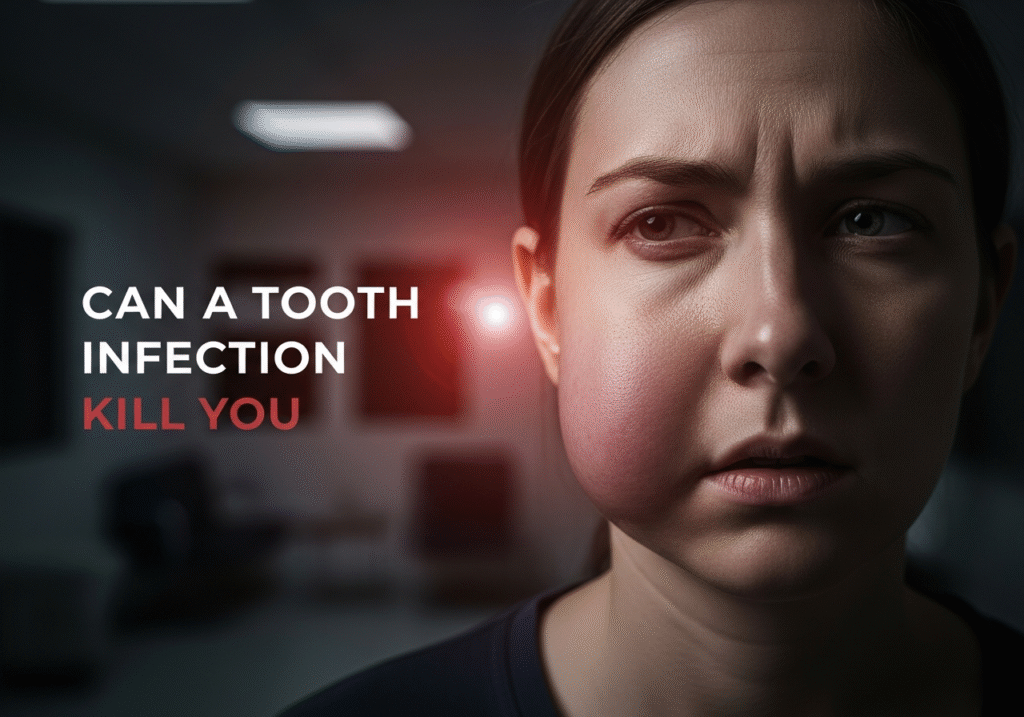
Although fatal outcomes from dental infections are rare, they are medically documented. A tooth infection can become dangerous when bacteria spread beyond the tooth and enter critical areas such as the jaw, neck, or brain. One way this occurs is through osteomyelitis, a bone infection. If bacteria reach the jawbone, they can cause intense pain, deformity, and long-term damage. In more severe cases, infections can lead to Ludwig’s angina, a rare but serious condition that causes swelling in the floor of the mouth and can obstruct the airway, making breathing difficult. This is considered a medical emergency and requires immediate intervention.
In the most extreme scenarios, bacteria from a tooth infection can travel through the bloodstream and cause sepsis, a systemic inflammatory response to infection that can lead to organ failure and death. Sepsis is particularly dangerous because its symptoms—fever, rapid heartbeat, confusion, and low blood pressure—can be mistaken for other conditions if the origin of the infection is not identified. Certain individuals are at higher risk for complications: those with weakened immune systems, such as patients undergoing chemotherapy or living with HIV, as well as people with chronic conditions like diabetes, are more vulnerable to severe infections. Delays in seeking treatment further increase the likelihood of dangerous outcomes.
Case Studies and Real-Life Examples
Though rare, there are documented cases of individuals dying as a result of untreated tooth infections. One notable case involved a patient who developed sepsis after neglecting a severe tooth abscess. The infection spread from the mouth into the bloodstream, overwhelming the body’s immune defenses and resulting in organ failure. Another case involved a person who developed Ludwig’s angina after ignoring a persistent toothache. The resulting swelling in the neck and jaw blocked the airway, requiring emergency surgical intervention to save their life. These cases highlight that dental infections should not be underestimated. Even in the absence of chronic illness or other risk factors, a tooth infection can become a serious health threat if left untreated.
Treatment Options for Tooth Infections
Fortunately, tooth infections are highly treatable when addressed promptly. The main goal of treatment is to remove the source of infection and prevent the spread of bacteria. Dental procedures such as root canal therapy can remove infected tissue within a tooth and seal it to prevent recurrence. In cases where the tooth is too damaged to be saved, extraction may be necessary. Abscesses often require incision and drainage, where the pus is released to relieve pressure and allow antibiotics to work more effectively.
Antibiotics play a critical role in managing the spread of infection. They can reduce bacterial load and prevent systemic involvement, but antibiotics alone cannot cure a dental infection. Without addressing the source of infection, such as a decayed tooth or gum disease, the infection is likely to return. Home remedies, such as saltwater rinses or cold compresses, may offer temporary relief but are insufficient to treat an abscess. Prompt professional care is essential for resolution.
Preventing Tooth Infections

Preventing a tooth infection is far more effective than treating one after it occurs. Good oral hygiene is the cornerstone of prevention. Regular brushing and flossing, combined with the use of mouthwash, can remove bacteria and prevent plaque buildup that leads to cavities and gum disease. Routine dental check-ups allow professionals to detect issues before they escalate into infections. Addressing minor dental problems early, whether it’s a cavity, gum inflammation, or a cracked tooth, can prevent the development of severe infections.
Lifestyle factors also play a role. Diets high in sugar increase the risk of cavities, while smoking can compromise gum health. Chronic conditions such as diabetes require careful management because they can impair the body’s ability to fight infections. Being proactive about dental and overall health is key to preventing serious complications.
Myths About Tooth Infections
There are many misconceptions that can delay treatment. Some people believe that tooth infections are harmless, assuming that the pain will simply resolve on its own. Others think that antibiotics alone are sufficient to cure dental infections. In reality, without removing the source of the infection, antibiotics cannot provide a permanent solution. Additionally, some assume that only visibly decayed teeth can cause serious infections. In truth, gum disease or even minor cracks in a tooth can allow bacteria to enter deeper tissues, leading to abscesses and systemic complications. Awareness and education are essential to dispel these myths.
Recognizing When to Seek Immediate Help
Knowing when to seek urgent care can make the difference between a simple dental procedure and a life-threatening emergency. Difficulty breathing or swallowing, high fever, severe facial swelling, and neurological symptoms such as confusion are signals that the infection may have spread beyond the oral cavity. Immediate medical attention is required in these situations. Timely intervention can prevent complications like sepsis, brain abscesses, or airway obstruction, all of which have high mortality rates if left untreated.
Long-Term Implications of Untreated Tooth Infections
Even if a tooth infection does not become immediately life-threatening, ignoring it can have long-term consequences. Chronic dental infections can lead to persistent pain, tooth loss, and deterioration of the jawbone. In some cases, untreated infections can also increase the risk of cardiovascular complications, as bacteria from the mouth enter the bloodstream and affect the heart. The connection between oral health and overall systemic health underscores the importance of treating dental infections seriously.
Conclusion
A tooth infection, while common, is not something to take lightly. The dangers it poses, from localized abscesses to systemic infections like sepsis, are real and medically documented. Early recognition, timely dental treatment, and diligent oral hygiene are essential to prevent serious outcomes. Understanding that even a small dental issue can escalate into a life-threatening condition highlights the importance of not ignoring tooth pain or dental problems. Your teeth may be small, but the consequences of neglecting them can be enormous. Painful teeth are warnings, not inconveniences, and they deserve immediate attention.
By maintaining regular dental care, promptly addressing issues, and staying aware of symptoms, you can protect yourself from the rare but serious risks associated with dental infections. A tooth infection may not always be fatal, but the consequences of ignoring it can be devastating. Treat your dental health as an integral part of your overall well-being, because in some cases, a small tooth problem can become a matter of life and death.
Will Listerine Kill a Tooth Infection?
Listerine may reduce oral bacteria but cannot cure a deep tooth infection; professional dental treatment is required.
How Long Until a Tooth Infection Becomes Life-Threatening?
A severe untreated tooth infection can become dangerous within days to weeks, depending on how fast it spreads.
Signs of Sepsis from a Tooth Infection
Look for high fever, rapid heartbeat, confusion, low blood pressure, and chills, which may indicate sepsis.
Symptoms of Tooth Infection Spreading to the Body
Swelling in the face or neck, fever, fatigue, and nausea can signal that the infection is affecting the body systemically.
Tooth Infection Spread to Brain Symptoms
Severe headache, vision changes, confusion, seizures, or neurological deficits may indicate infection reaching the brain.
Can a Tooth Infection Make You Sick?
Yes, a tooth infection can cause fever, fatigue, and general malaise if it enters the bloodstream.
Famous Person Who Died from a Tooth Infection
George Washington reportedly died due to a severe dental infection that became systemic.
Tooth Infection Death Rate
Deaths from untreated dental infections are rare today, but were historically more common before antibiotics.