
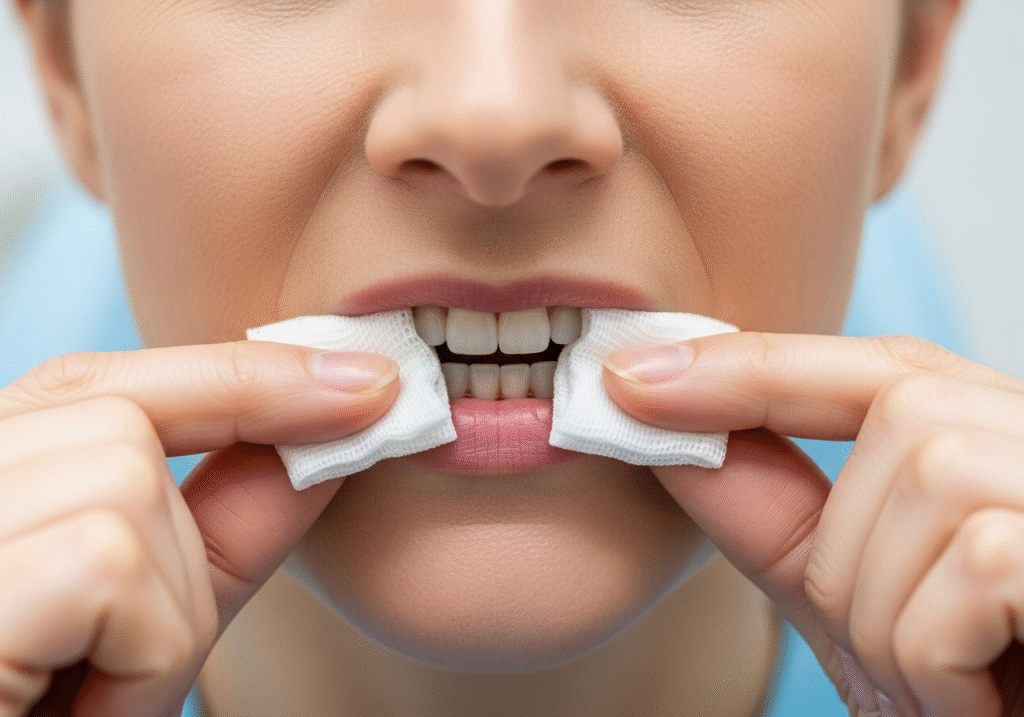
Understanding what can you eat after tooth extraction is important for a smooth and safe recovery. After a dental procedure, your mouth becomes sensitive, and choosing the right foods helps protect the healing area. Many patients feel unsure about meals during the early days, especially when trying to avoid complications like irritation or dry socket. Soft foods, gentle textures, and proper hydration play a major role in healing. Eating the wrong items can delay recovery or cause discomfort. This guide explains safe foods, recovery tips, and healing stages to help you feel confident during the process. With the right choices, your healing becomes quicker and easie
Recovering from a tooth extraction can feel confusing, especially when you are unsure about what foods are safe to eat and which ones might irritate the area or slow down your healing. Eating after a tooth extraction is not just about comfort; it plays a major role in how well and how fast your mouth recovers. When a tooth is removed, an empty socket remains in your gum. A blood clot forms inside this socket to cover the exposed bone and protect the nerves underneath. This blood clot is extremely important because it is the first step in the healing process. But the clot is delicate, especially during the first two to three days, and the foods you choose can either protect it or disturb it. That is why knowing what you can eat after a tooth extraction is crucial.
During the first few days, chewing becomes difficult because your mouth may feel swollen, sensitive, or sore. Hard foods can cause pressure on the gums, hot foods can dissolve or loosen the blood clot, and crunchy foods can get stuck inside the wound. Even certain textures can be irritating. This is why dentists recommend eating very soft, cool, or lukewarm foods right after the procedure. As healing progresses, you can slowly introduce more solid foods, but the process should always be gentle and gradual. This article will guide you step by step—what to eat on the first day, what to eat after a few days, what to eat after a week, and which foods you must avoid completely.
Why Eating Carefully After Tooth Extraction Matters
Many people underestimate how much diet affects healing after a tooth extraction. When a tooth is removed, the body begins a natural healing process similar to what happens when you get a cut on your skin. But because the mouth is always moist, filled with bacteria, and constantly in motion from talking or chewing, it needs extra protection. The blood clot that forms after extraction acts like a protective barrier. If this clot is disturbed by chewing, suction, pressure, or certain foods, healing becomes painful and slow.
One of the biggest concerns is a condition called dry socket, which happens when the blood clot becomes loose or dislodges. Without the clot, the bone and nerves underneath are exposed to air, food, and bacteria. This leads to intense pain, swelling, and a foul taste in the mouth. Dry socket can delay healing for weeks and often requires a dentist to place medication inside the socket. Eating the wrong foods is one of the most common causes of dry socket, especially foods that are crunchy, hot, spicy, or sticky.
Another reason diet matters is that your mouth is tender and swollen after the procedure. Chewing tough or hard foods can strain the jaw muscles, increase discomfort, and irritate the fresh wound. By choosing soft foods, you give your mouth the rest it needs. Soft foods also prevent accidental biting of your cheeks or tongue, which is more likely when your mouth is numb from anesthesia.
Proper nutrition is also essential. Your body needs vitamins, minerals, protein, and hydration to repair tissue. Even though your food options are limited, selecting nutrient-rich soft foods ensures you stay strong and heal faster. Smooth soups, blended fruits, soft proteins, and dairy provide energy and nourishment without irritating the extraction site. Your recovery depends not only on avoiding harmful foods but also on choosing foods that support healing.
What You Can Eat on the First Day After a Tooth Extraction
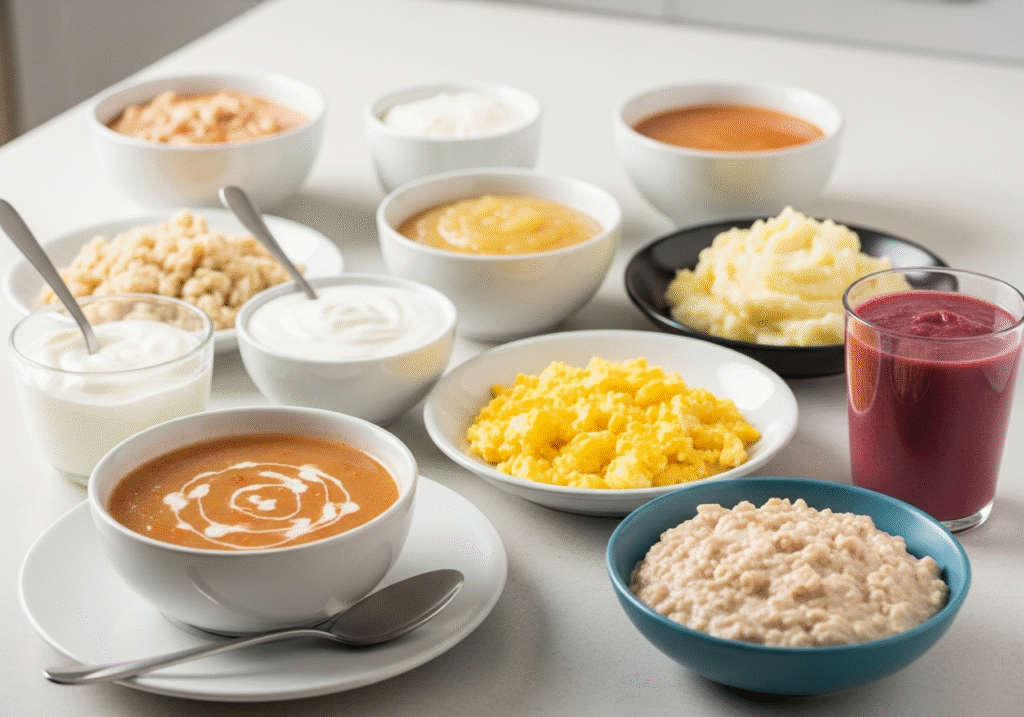
The first 24 hours after a tooth extraction are the most sensitive because the blood clot is still forming and the gum tissue is still fresh. Your mouth may be numb for a few hours, and you may feel some bleeding or swelling. During this time, only the softest and smoothest foods should be eaten. The goal is to avoid chewing altogether.
Foods like yogurt, applesauce, pudding, gelatin desserts, and cold smoothies are excellent choices because they require no pressure on the gums. Cold foods help soothe the area, reduce swelling, and offer comfort. You can also eat ice cream as long as it does not contain nuts, chocolate chips, or crunchy toppings. Soft mashed potatoes that have cooled down can also be eaten, but they should be very smooth and never hot.
Blended soups are another great option for Day 1. They should be lukewarm—not hot—and completely free of chunks. Broths, blended vegetable soups, and creamy tomato soup can provide warmth and nourishment without requiring chewing. Protein shakes made with water are also helpful for giving your body energy. Avoid using milk on the first day if possible, as dairy sometimes increases mucus production, which can feel uncomfortable after extraction.
Drinking enough fluids is essential, but you must avoid using a straw. The suction created by straws can pull out the blood clot and lead to dry socket. Instead, sip fluids slowly from a cup. Water is the best option, but you can also drink mild herbal teas that are cooled. Avoid carbonated beverages, alcohol, and citrus juices because they can irritate the surgical area. The first day is all about rest, hydration, and extremely soft foods that do not disturb the healing process.
What to Eat on Days 2 and 3 After Tooth Extraction
By the second or third day, swelling may still be present, but the initial soreness decreases. At this stage, you can eat more foods, though they must remain soft. You can introduce foods with a thicker texture, such as oatmeal, cream of wheat, scrambled eggs, cottage cheese, and soft pasta. Mashed bananas, soft-cooked rice, and finely mashed vegetables are also safe choices. While you still need to avoid chewing near the extraction site, you can slowly introduce light chewing if the food is soft enough.
Scrambled eggs are a popular choice because they are soft, high in protein, and easy to swallow. Soft pasta dishes, such as macaroni cooked until very tender, are also easy on the mouth. Just make sure the pasta is not al dente. Soft pancakes, mashed sweet potatoes, and well-cooked lentils are safe as well. You can also try smoothies with added protein, as long as they are thick enough to drink without a straw.
During Days 2 and 3, texture matters more than temperature. Foods should still be lukewarm or cool. Anything too hot can loosen the clot. Avoid foods with skins, seeds, or small pieces that could get lodged in the extraction site. This includes berries, popcorn, crunchy cereal, chips, rice crackers, and nuts. Continue to avoid spicy foods, acidic foods, and carbonated drinks.
What You Can Eat After One Week
After about seven days, many patients feel significantly better. The swelling decreases, the gum begins to close, and tenderness reduces. While you are not fully healed yet, you can slowly return to a normal diet. However, you should still avoid very hard, crunchy, or sticky foods. At this point, your food options can expand to include soft meats, such as shredded chicken or tender fish. Soft steamed vegetables, ripe fruits, scrambled or boiled eggs, and soft sandwiches are also acceptable.
You can also enjoy soft rice dishes, pancakes, tortillas, and well-cooked pasta. Dairy products like cheese can be reintroduced as long as they are soft. This is also the stage where many people start eating warm soups, stews, and lentils. While chewing becomes easier, you must still chew on the opposite side of the mouth if the extraction was complex or if sutures are present.
Although one week is a major milestone, complete healing can take several weeks, especially for wisdom teeth. You should still avoid foods like nuts, raw vegetables, chips, tough meats, crusty bread, and anything sticky like caramel or chewing gum. These foods can injure the healing gum or get trapped in the socket. Continue drinking plenty of water, and avoid alcohol until your dentist confirms healing.
Foods You Should Avoid After Tooth Extraction

Some foods are dangerous during recovery and can cause complications. Crunchy foods like chips, nuts, popcorn, crackers, and raw vegetables can break apart into sharp pieces that get stuck in the wound. Spicy foods can burn or irritate the sensitive gum tissue, leading to swelling or discomfort. Sticky foods like caramel, taffy, or chewing gum can pull at the clot or tug at the healing gum, disturbing the tissue.
Hot foods and drinks can soften the clot and increase bleeding. Acidic foods and drinks—such as citrus fruits, vinegar, and soda—can sting the wound and slow healing. Small seeds found in strawberries, chia seeds, bread, and tomatoes can easily become trapped in the socket, causing infection. Alcohol should also be avoided because it interferes with healing and can interact with pain medications.
Another major risk comes from suction. You should not use straws or smoke during recovery because suction can pull the clot out of the socket. Smoking also restricts blood flow, making healing slower and more painful. Avoid crunchy, sticky, spicy, hot, and highly textured foods until your dentist confirms that the extraction site has healed enough to handle normal chewing.
Conclusion
Eating after a tooth extraction should be done slowly, carefully, and thoughtfully. The foods you choose can either support the healing process or cause complications like dry socket, infection, or prolonged pain. During the first day, stick to cold and smooth foods that require no chewing. As the days go by, introduce soft, nutritious foods that are easy to swallow and gentle on the mouth. After one week, you can begin returning to your normal diet but still avoid hard, crunchy, or sticky foods. Healing takes time, and giving your mouth the rest it needs ensures a smooth recovery. By choosing the right foods, staying hydrated, and avoiding risk factors, you will heal faster and feel better sooner.
50 Soft Foods to Eat After Tooth Extraction
You can choose from many soft foods like yogurt, applesauce, soups, mashed potatoes, smoothies, scrambled eggs, puddings, and soft fruits to keep eating comfortably during healing.
First Night After Tooth Extraction What to Eat
On the first night, eat only cool, smooth foods like yogurt, ice cream without toppings, applesauce, or lukewarm blended soup to protect the blood clot.
What Can I Eat 3 Days After Tooth Extraction?
After 3 days, you can add soft foods like scrambled eggs, oatmeal, soft pasta, mashed vegetables, and cottage cheese while avoiding chewing near the extraction site.
What Can I Eat 48 Hours After Tooth Extraction?
At 48 hours, you can eat very soft foods like mashed potatoes, creamy soups, smoothies without seeds, and puddings as long as they are not hot.
What Can I Eat 24 Hours After Tooth Extraction?
When Can I Eat Solid Food After Tooth Extraction?
100 Soft Foods to Eat After Tooth Extraction
Foods to Avoid After Tooth Extraction
Avoid crunchy, hard, sticky, spicy, and very hot foods because they can damage the clot, irritate the gums, or get stuck inside the healing socket.
Pingback: When To Stop Using Gauze After Wisdom Tooth Extraction
Pingback: Can I Drink Coffee After Tooth Extraction
Pingback: Can I Eat Ice Cream After Tooth Extraction