
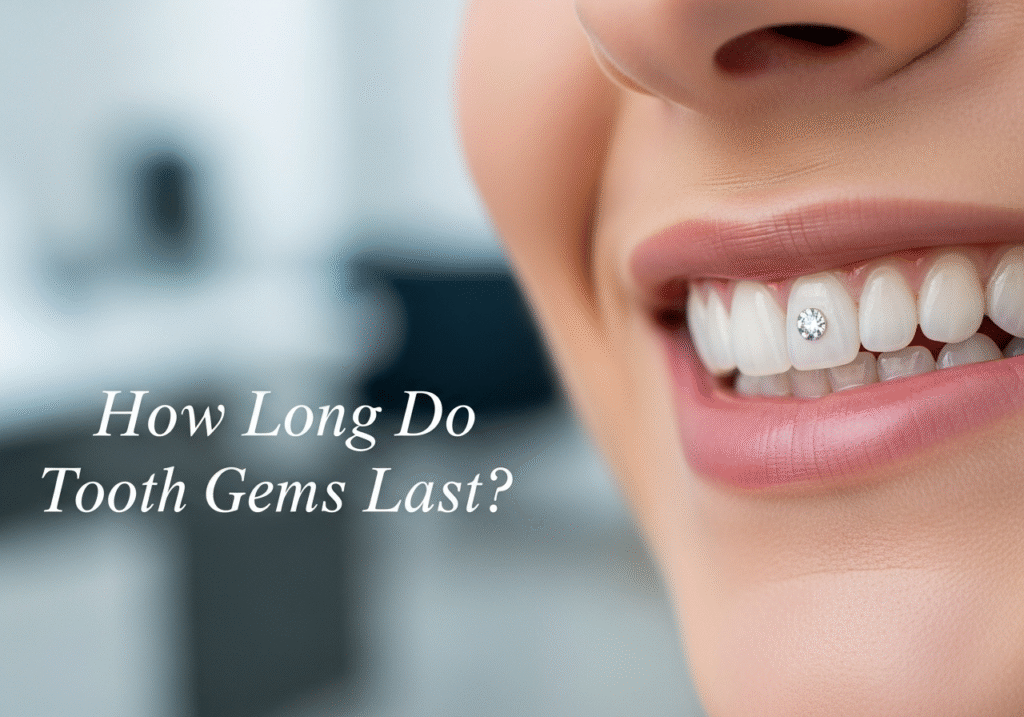
Many people love tooth gems because they make a smile look stylish and unique, but one common question is how long do tooth gems last. The truth is that tooth gems do not stay on forever, and their lifespan can be different for every person. Some gems fall off after a few weeks, while others stay in place for many months. The durability depends on the type of gem, the strength of your enamel, your daily habits, and how well the gem was applied. Understanding how tooth gems work, what affects their lifespan, and how to care for them will help you keep your gem shining for as long as possible.
Tooth gems have become one of the most popular beauty trends today, and people love the way a tiny crystal on a tooth can make a smile look brighter. One of the most common questions people ask is “How long do tooth gems last?” because everyone wants to understand the durability, care, risks, and real lifespan before getting one. The truth is that tooth gem lifespan is different for every person, because it depends on enamel strength, diet, oral habits, bonding materials, gem type, and overall dental hygiene. Some gems last only a few weeks, while others stay attached for months or even a full year.
This article explains everything you need to know about tooth gem longevity, including professional application, aftercare, types of gems, risks, myths, maintenance tips, and realistic expectations.
What Are Tooth Gems?
Tooth gems are tiny decorative crystals, metals, or jewels placed on the outer surface of a tooth using a dental-safe bonding material. They do not require drilling, cutting, or anesthesia, which is why many people consider them a safe cosmetic option. Tooth gems are usually made from materials such as Swarovski crystals, gold, diamonds, or resin jewels. These small gems are attached to the enamel using a bonding adhesive similar to what orthodontists use for braces.
Many people choose tooth gems because they want a stylish, temporary change that enhances their smile without long-term dental procedures. Since the gems do not damage the tooth structure when applied correctly, they are considered reversible and removable. Understanding the types, materials, and application methods helps you understand the gem’s lifespan.
How Long Do Tooth Gems Last?
The average tooth gem lasts 3 months to 1 year, depending on how well it is applied and how well a person maintains their oral habits. Some people experience a shorter lifespan of 2–6 weeks, especially if cheaper gems or DIY kits are used. Professional tooth gems last much longer because dental-grade adhesive is stronger, safer, and more durable.
The average lifespan range depends on several factors, including the type of gem, bonding method, tooth enamel condition, eating habits, grinding, brushing pressure, and overall dental hygiene. A high-quality crystal applied by a trained professional usually stays in place for several months without any damage to the tooth.
Factors That Affect Tooth Gem Lifespan
There are many physical, biological, and lifestyle factors that influence how long tooth gems last. A tooth gem can stay longer when enamel is strong, the bonding is done correctly, and aftercare instructions are followed. Several conditions can shorten the lifespan, such as hard chewing, acidic foods, smoking, and aggressive brushing.
Below are the most important factors that determine tooth gem longevity:
- Type of Tooth Gem Material
The material strongly affects how long the gem stays attached. Gold, crystal, and real diamonds last longer than resin gems because they bond more securely and resist wear.
- Quality of Bonding Adhesive
Professional bonding materials used by dentists create a stronger attachment compared to DIY adhesives, which often weaken after a few days or weeks.
- Placement Location
Gems placed on smooth, clean enamel last longer. Gems near the edge of a tooth may fall faster due to biting force.
- Enamel Strength
People with stronger enamel can hold gems longer because bonding adheres more firmly.
- Oral Habits
Frequent chewing on hard foods, biting nails, grinding teeth, and constant tongue pressure can weaken the gem.
- Aftercare Routine
Good aftercare dramatically increases lifespan. This includes gentle brushing, avoiding harsh products, and not picking at the gem.
Types of Tooth Gems and Their Durability
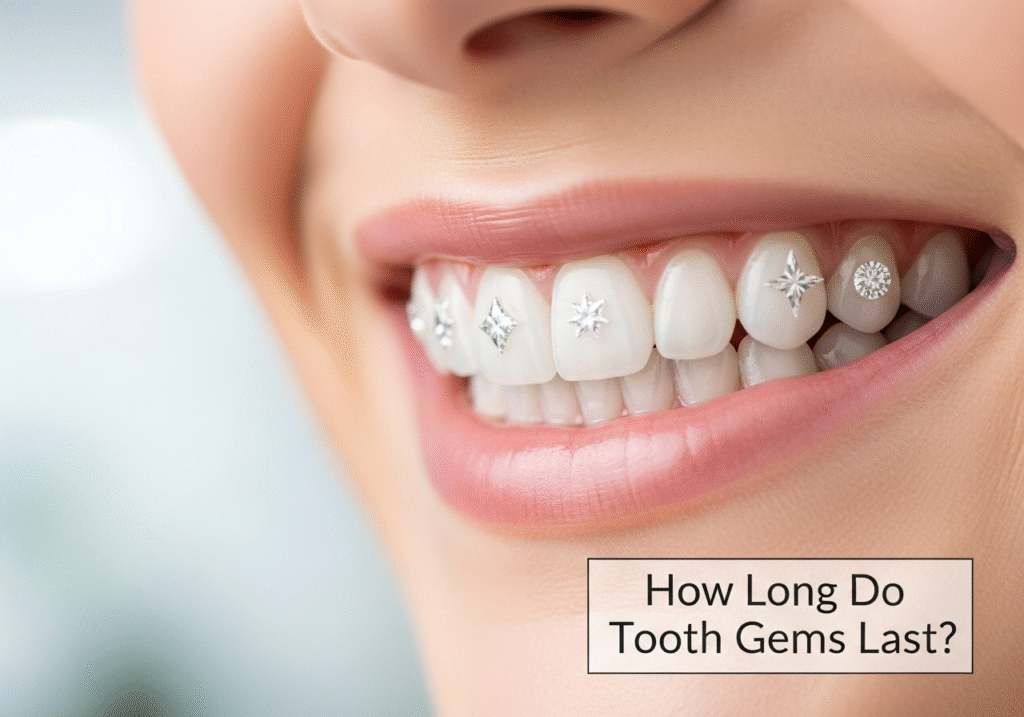
Different types of tooth gems have different lifespans because materials vary in strength, weight, and bonding compatibility. Resin gems are the weakest, while gold or crystal options last significantly longer due to their structure.
Swarovski Crystal Tooth Gems
These are the most popular because they sparkle brightly and are lightweight. A Swarovski gem normally lasts 3 to 12 months, depending on care. Their surface is smooth, allowing better bonding to the enamel.
Gold Toilet Gems
Gold gems last even longer—6 to 24 months—because metal adheres securely and is resistant to moisture. People who want long-term durability usually choose gold symbols, hearts, or stars.
Real Diamond Tooth Gems
These are rare, expensive, and long-lasting, often staying attached for a year or more when applied professionally. Diamonds bond well and do not lose shine.
Resin Tooth Gems
Resin is the cheapest option and lasts the shortest amount of time—1 to 4 weeks. Resin tends to weaken quickly because saliva and temperature changes affect the adhesive.
Professional Tooth Gems vs. DIY Tooth Gems
There is a very big difference between getting tooth gems professionally and applying them at home using DIY kits. The lifespan varies greatly because professional bonding uses stronger materials and proper techniques.
Professional Tooth Gems
Professionals use high-quality dental bonding adhesive, UV-curing technology, and sterilized tools. Because they prepare the enamel carefully and apply the gem correctly, the gem can stay in place for several months without harm.
DIY Tooth Gems
DIY kits often use weak cosmetic glue or nail glue, which is unsafe and not designed for teeth. These materials can damage enamel and cause irritation. They also do not bond well, so the gem usually falls off in days or weeks.
How Tooth Gems Are Applied
The application process is quick and painless, taking only a few minutes. The enamel is cleaned, dried, and prepared with a conditioning solution. The gem is placed carefully on the tooth with adhesive, then hardened using a dental UV light.
Understanding how tooth gems are attached helps you appreciate why proper preparation is important for longevity. A clean and dry tooth surface ensures stronger bonding, while curing light technology helps make the adhesive set perfectly.
How to Make Tooth Gems Last Longer
Tooth gems last longer when the enamel is cared for properly and when a person avoids habits that loosen the gem. Several lifestyle and oral hygiene adjustments can prolong the gem’s lifespan significantly.
- Avoid hard or sticky foods
Hard nuts, candies, and sticky foods can pull the gem off.
- Brush gently
Aggressive brushing breaks adhesive bonds. Soft brushing preserves the gem.
- Reduce teeth grinding
Grinding wears down adhesive. Wearing a night guard helps.
- Avoid touching the gem
Picking, scratching, or rubbing weakens the bond.
- Use non-whitening toothpaste
Whitening products contain abrasives that weaken adhesive material.
Daily Tooth Gem Care Routine
A simple care routine can make tooth gems last many months. Maintaining proper hygiene is important to avoid plaque buildup around the gem. While the gem does not damage enamel, poor hygiene can harm both teeth and adhesive.
A daily routine includes gentle brushing twice a day using a soft-bristle toothbrush, rinsing regularly, and avoiding abrasive toothpaste. It also includes checking the gem during brushing to ensure it has not shifted or loosened.
Foods and Habits That Damage Tooth Gems
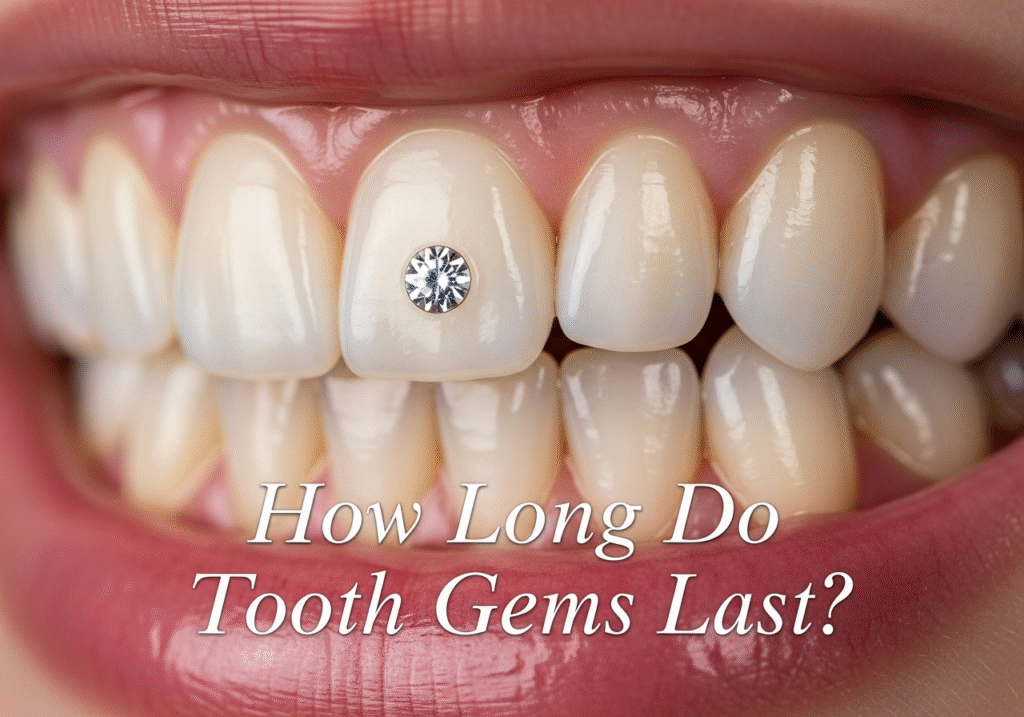
Some foods and habits quickly shorten the lifespan of tooth gems. Chewing ice, biting nails, or eating sticky candies can pull the gem off. Hard foods like almonds or peanuts can also weaken adhesive.
Smoking, vaping, or consuming highly acidic foods makes bonding weaker because chemicals alter the enamel surface. Even constant tongue pressure or rubbing can cause the gem to loosen earlier than expected.
Common Myths About Tooth Gems
There are several myths about tooth gems, and understanding the truth helps people care for them better.
One myth is that tooth gems last forever. They are temporary and designed to fall off naturally after a few months. Another myth is that gems damage teeth. When applied by a trained professional using proper dental adhesives, tooth gems do not harm enamel.
Another myth is that tooth gems can be glued with nail glue at home. This is not true, because nail glue is toxic and unsafe for the mouth. Many people also believe that tooth gems prevent brushing. They do not interfere with normal brushing when done correctly.
Risks and Side Effects of Tooth Gems
Although tooth gems are generally safe, some risks exist. Poor hygiene can lead to plaque buildup around the gem. DIY application can damage enamel. Professionals avoid these issues because they use safe techniques.
Another risk is irritation to gums if the gem is placed too close to gum tissue. Some people may experience temporary sensitivity after application. These effects are usually mild and temporary when proper aftercare is followed.
Signs Your Tooth Gem Is About to Fall Off
A tooth gem gives clear signs before falling off. The gem may start to feel loose when brushing. It may shift when touching the tooth lightly. You may also notice edges lifting or a slight clicking sound when biting.
If the gem feels loose, avoid pulling it because this can damage the enamel. Instead, let it fall naturally or visit a professional for safe removal.
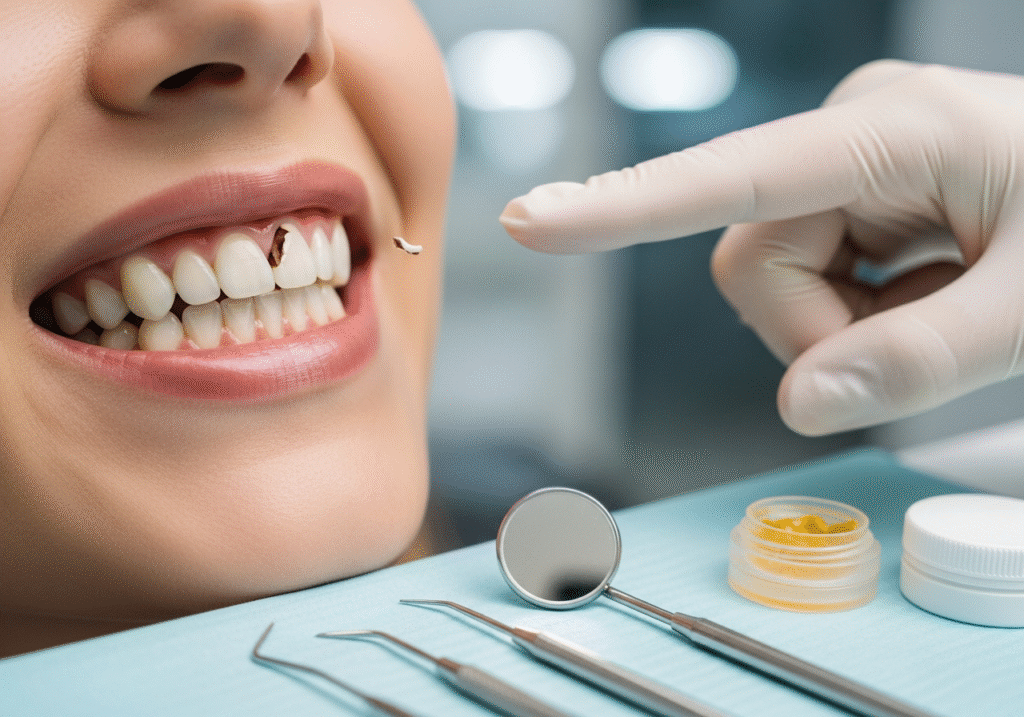
What to Do When a Tooth Gem Falls Off
When a tooth gem falls off, check if any adhesive residue remains. Brush gently to clean the surface. Do not reapply the gem using household glue because it can harm enamel.
If you want the gem reapplied, visit a professional who can safely clean the tooth and apply a new gem. Some people choose a different design or placement once the old gem falls off.
Are Tooth Gems Safe for Teeth?
Tooth gems are safe when placed by experienced professionals who use dental-grade adhesives. They do not require drilling or removing enamel. They also do not cause permanent changes to the tooth.
However, gems are unsafe when applied using harmful glues or non-sterile tools. Safety depends on proper placement, good hygiene, and avoiding DIY methods.
Cost, Lifespan, and Maintenance Comparison Table
Tooth Gem Type Average Lifespan Cost Range Maintenance Level Durability
Swarovski Crystal 3–12 months Medium Medium Medium
Gold Gem 6–24 months High Low High
Diamond Gem 8–24 months Very High Low Very High
Resin Gem 1–4 weeks Low High Low
Case Studies: Real Tooth Gem Lifespans
Case Study 1: Jewelry Enthusiast
A 20-year-old student applied a Swarovski gem professionally. She avoided sticky foods and brushed gently. Her gem lasted 9 months without issues.
Case Study 2: Frequent Coffee Drinker
A 27-year-old woman with a gold star gem drank coffee daily and brushed aggressively. Her gem lasted 4 months before loosening.
Case Study 3: DIY Attempt
A 19-year-old tried a DIY kit and used cosmetic glue. The gem fell off in 5 days and caused mild irritation. A professional corrected the damage later.
FAQ: How Long Do Tooth Gems Really Last?
Here are the most commonly asked questions about tooth gem longevity:
How long do tooth gems stay on?
Most stay on for 3–12 months.
Do tooth gems fall off easily?
They only fall easily if applied poorly or not maintained properly.
Can tooth gems last years?
Gold and diamond gems can last up to 2 years with great care.
Do tooth gems damage teeth?
No, not when applied properly.
Can I brush normally with a tooth gem?
Yes, but brushing must be gentle.
Can I remove a tooth gem at home?
No, removal should be done professionally.
Conclusion
Tooth gems can last anywhere from a few weeks to over a year, depending on the gem type, professional application, enamel strength, and aftercare routines. High-quality materials like gold and diamonds last the longest, while resin gems have the shortest lifespan. Taking care of your teeth, avoiding harmful habits, and maintaining good oral hygiene can help extend the life of any tooth gem.
If you want a tooth gem that lasts long without damaging the tooth, always choose professional application and avoid unsafe DIY kits. With proper care and mindful habits, tooth gems can be a beautiful, temporary way to express style and confidence through your smile.
How long do teeth gems stay on?
Teeth gems typically last 6 months to 2 years, depending on care and placement.
Are tooth gems damaging to teeth?
If applied and cared for properly, they are generally safe, but poor hygiene can cause enamel damage or decay.
Do tooth gems eventually fall off?
Yes, tooth gems can fall off naturally over time or with trauma to the tooth.
Are tooth gems hard to get off?
Removing them requires a dentist or professional to avoid damaging the enamel.
What is the 2 2 2 rule for teeth?
Brush for 2 minutes, twice a day, and replace your toothbrush every 2 months.
Are tooth gems glued on?
Yes, they are bonded to the enamel using a dental adhesive, not permanent cement.
Pingback: How Do You Pull Out A Tooth
Pingback: How To Stop Bleeding After Tooth Extraction