
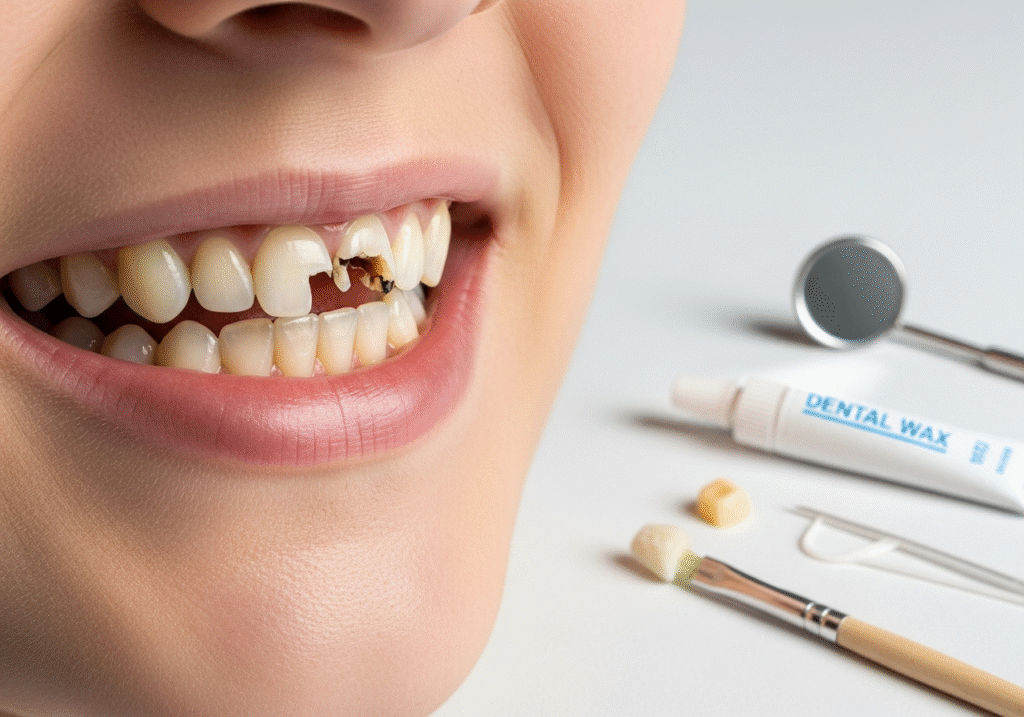
Experiencing a loose tooth as an adult can be alarming. While a loose adult tooth usually signals an underlying issue—like gum disease, trauma, or bruxism—understanding how to tighten a loose tooth at home safely can help you manage the situation until you see a dentist.
While permanent tightening requires professional care, you can take immediate steps to stabilize your tooth and support your gum health. Here is the complete guide to managing dental mobility in 2026.
Understanding Why Teeth Get Loose
Adult teeth are held in place by a complex system: the periodontal ligament, the jawbone, and healthy gum tissue. When this system is weakened by bacteria or physical stress, the tooth begins to wiggle.
| Common Cause | The Impact | Warning Signs |
| Gum Disease | Erodes bone and ligaments. | Bleeding, swelling, bad breath. |
| Bruxism | Constant pressure loosens roots. | Jaw pain, worn-down enamel. |
| Trauma | Sudden ligament damage. | Pain after a fall or hit. |
Immediate Home Care to Stabilize Your Tooth
If you feel a tooth wiggling, the goal is to reduce stress on that tooth so the ligaments can attempt to heal:
- Soft Food Diet: Stick to smoothies, soups, and yogurt. Avoid anything crunchy, sticky, or hard that could “pull” the tooth further.
- Warm Saltwater Rinse: Salt is a natural disinfectant. It reduces gum inflammation, which can temporarily “firm up” the tissue around the tooth.
- Gentle Hygiene: Do not stop brushing, but use an ultra-soft toothbrush. Avoid flossing the loose tooth directly if it causes movement.
The Role of the Oral Microbiome in Gum Strength
Most teeth become loose because “bad” bacteria are eating away at the ligaments. Brushing only cleans the surface, but the real war is happening deep inside the gum pockets.
Editor’s Choice: Strengthening Gums with ProvaDent
In 2026, dental experts are focusing on Oral Probiotics as a way to tighten the gum-to-tooth attachment. ProvaDent delivers beneficial bacteria that fight the toxins causing gum recession. By balancing your oral microbiome, you create a healthy environment where your gums can naturally tighten around the tooth root. It’s an essential “Internal Support” for anyone dealing with minor tooth mobility.
Professional Treatments for Permanent Results
While home care provides a temporary fix, your dentist has specialized tools to save your tooth:
- Scaling and Root Planing: A deep cleaning that removes tartar from under the gums.
- Periodontal Splinting: Bonding the loose tooth to its stable neighbors to keep it still.
- Bone Grafting: If bone loss is severe, a graft can rebuild the support structure.
Nutrients That Support Tooth Stability
A loose tooth needs the right building blocks to get strong again:
- Vitamin C: Crucial for collagen production in the gums.
- Calcium & Vitamin D: Essential for jawbone density.
- Magnesium: Supports the ligaments that hold the tooth in place.
Common Myths About Loose Teeth
- Myth: “If I ignore it, it will tighten on its own.”
- Fact: Without removing the underlying bacteria or stress, a loose tooth will eventually fall out.
- Myth: “Flossing makes teeth loose.”
- Fact: Flossing actually prevents the gum disease that causes loose teeth. If a tooth feels loose while flossing, it was already compromised.