
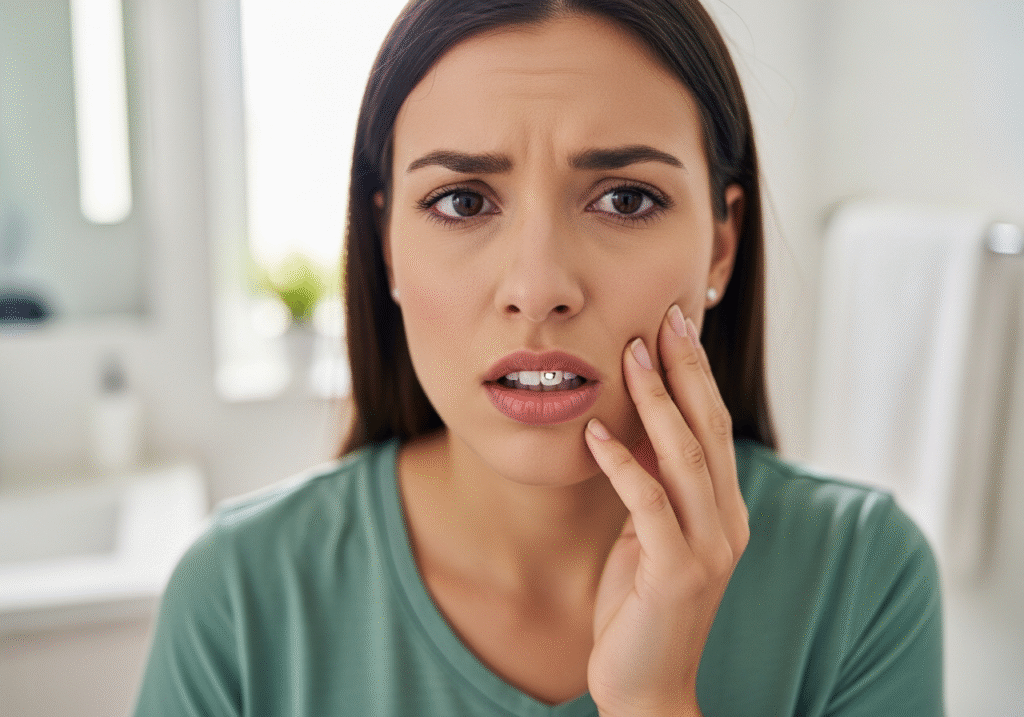
A dental bone graft is a delicate procedure that sets the stage for a future implant. While staying active is great for health, hitting the gym too early after this surgery can lead to graft failure.
The golden rule for 2026: Wait at least 72 hours before attempting any physical activity. —
The Safe Recovery Timeline
Following a strict timeline is the best way to prevent bleeding and ensure the bone granules fuse correctly with your jaw.
| Stage | Timeline | Recommended Activity | Risk Level |
| Stage 1 | 0 – 48 Hours | Complete Rest (Keep head elevated) | Very High |
| Stage 2 | Day 3 – 7 | Very Light Walking (No bending) | Moderate |
| Stage 3 | Week 2 | Light Cardio (Stationary bike/Walking) | Low |
| Stage 4 | Week 4 – 6 | Resume Moderate Workouts & Weights | Safe |
3 Major Risks of Exercising Too Soon
- Throbbing & Pain: Exercise increases your heart rate. This causes blood to pulse more forcefully through the surgical site, leading to intense pain.
- Dislodging the Clot: High blood pressure can blow out the blood clot (Dry Socket) or move the bone granules before they settle.
- Internal Pressure: Activities like lifting or “straining” increase pressure in your mouth and sinuses, which can tear the stitches.
Safe Exercises to Start With
When you do return to activity, start with Low-Impact movements:
- Slow Walking: On a flat surface (avoid steep hills).
- Gentle Stretching: Avoid any pose where your head goes below your heart (like a downward dog in Yoga).
- Breathing Exercises: Helps circulation without raising blood pressure.
Supporting Bone Integration from Within
A bone graft needs a sterile and nutrient-rich environment to heal. Inflammation is the biggest enemy of a new graft.
Editor’s Tip: To keep the surgical site clean and reduce harmful bacteria, many recovery patients use an oral probiotic. ProvaDent is specifically formulated to balance the oral microbiome. By repopulating your mouth with “good” bacteria, you lower the risk of infection at the graft site and support faster bone regeneration.
Warning Signs: Stop Exercising If…
If you experience any of these symptoms while working out, stop immediately and call your dentist:
- Bright red bleeding that doesn’t stop.
- A “pulsing” or “thumping” sensation in your jaw.
- A sudden increase in swelling after it had already started to go down.
- Feeling lightheaded or dizzy.
Conclusion
Patience is your best tool for recovery. While it may be hard to skip the gym for a week, it is much better than having to redo a failed bone graft. Start slow, listen to your body, and always get a final “OK” from your oral surgeon before returning to heavy lifting or contact sports.