
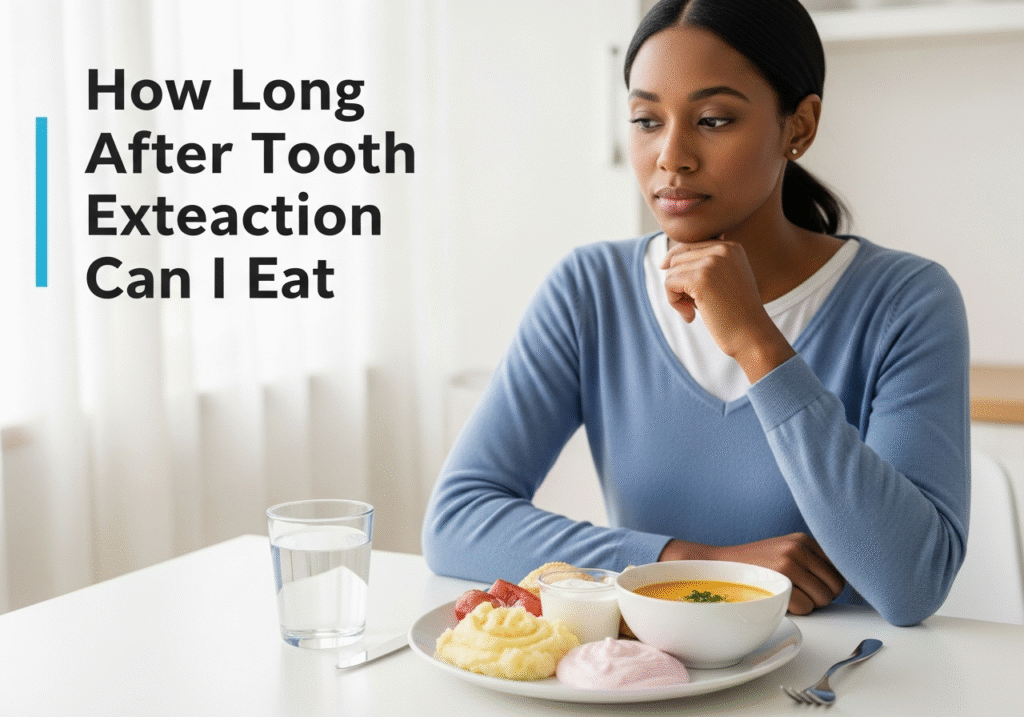
Knowing how long after tooth extraction can I eat is one of the most common questions patients ask after dental surgery. Proper healing depends on protecting the blood clot, avoiding complications like dry socket, and gradually reintroducing soft foods. Many wonder whether they can eat immediately, or if waiting is essential for recovery. Understanding how long after tooth extraction can I eat helps prevent pain, irritation, and infection while ensuring the extraction site heals correctly. By following safe dietary guidelines, patients can know exactly how long after tooth extraction can I eat, what foods are suitable, and when it’s safe to resume a normal diet, ensuring a smooth and comfortable recovery.
Tooth extraction is a common dental procedure that can cause worry about pain, healing, and when you can resume normal eating. Whether it’s a simple extraction or a surgical removal of an impacted tooth, understanding the proper timeline for eating is essential for recovery. Eating too soon or the wrong type of food can disturb the blood clot, delay healing, or even cause dry socket—a painful complication that slows recovery. This guide explains everything you need to know about eating safely after tooth extraction, including healing stages, recommended foods, foods to avoid, and tips for returning to a normal diet.
Understanding Tooth Extraction
Tooth extraction involves removing a tooth from its socket in the jaw. There are two main types: simple extractions, performed on teeth visible above the gum line, and surgical extractions, which involve removing impacted or broken teeth and may require stitches.
After extraction, your body forms a blood clot at the site. This clot is essential for protecting the bone and nerves, promoting healing, and preventing infection. Disturbing the clot through eating the wrong foods, spitting, or using a straw can lead to dry socket, a painful and sometimes prolonged complication.
Healing after extraction occurs in stages. In the first 24 hours, swelling and mild bleeding are common. By 24–48 hours, swelling begins to subside, and the clot becomes more stable. After 48–72 hours, soft tissue healing continues, allowing the gradual introduction of soft foods. Full recovery typically takes 1–3 weeks depending on the complexity of the extraction and individual healing rates.
Immediate Post-Extraction Care
Proper care immediately after extraction helps ensure safe eating and faster recovery. Biting gently on a gauze pad for 30–60 minutes helps stop bleeding and stabilize the blood clot. Keeping the head elevated reduces swelling and bleeding. It is important to avoid vigorous rinsing, spitting, or smoking, as these actions can disrupt healing.
Pain can be managed with prescribed medications or over-the-counter painkillers, and applying ice packs to the outside of the cheek can help reduce swelling. Following these instructions sets the stage for safely returning to eating.
How Long Should You Wait Before Eating?
The timeline for eating after extraction depends on the healing stage. During the first 24 hours, only liquids such as water, clear broths, and smooth protein shakes are safe. Hot drinks should be avoided as extreme temperatures can dissolve the blood clot.
After 24–48 hours, soft foods like yogurt, applesauce, mashed potatoes, and scrambled eggs can be introduced. Chewing should be done on the side opposite the extraction site to avoid disturbing the clot.
Between 48–72 hours, slightly textured foods such as soft pasta, well-cooked vegetables, and soft bread can be gradually added. Patients should continue to avoid hard, crunchy, or sticky foods during this period.
Recommended Foods After Tooth Extraction

After extraction, a diet focused on nutrition and comfort supports healing. Soft, easy-to-swallow foods include yogurt, mashed potatoes, smoothies (without a straw), scrambled eggs, and lukewarm soups without large chunks.
Soft fruits and vegetables like bananas, avocados, and well-cooked, mashed vegetables provide vitamins and minerals essential for recovery. Protein-rich foods aid tissue repair, and staying well-hydrated supports overall healing.
Foods to Avoid and Why
Certain foods can interfere with healing and should be avoided for at least the first week after extraction. Crunchy foods such as chips, nuts, and hard crackers can dislodge the blood clot. Sticky foods like caramel, gum, and taffy may adhere to the extraction site. Hot or spicy foods can irritate sensitive gums, and acidic foods such as citrus or tomato-based dishes may cause stinging.
Soft foods with gentle textures can be mashed or blended to make them safe for consumption while still providing variety in the diet.
Tips for Eating Safely After Extraction
Safe eating techniques help prevent complications and reduce pain. Always chew on the side opposite the extraction site and take small bites. Maintain oral hygiene by gently rinsing with saltwater after meals, and use soft utensils to avoid injuring the gums. Eating slowly and carefully helps ensure the blood clot remains undisturbed and supports a smooth recovery.
Healing Timeline and Returning to a Normal Diet
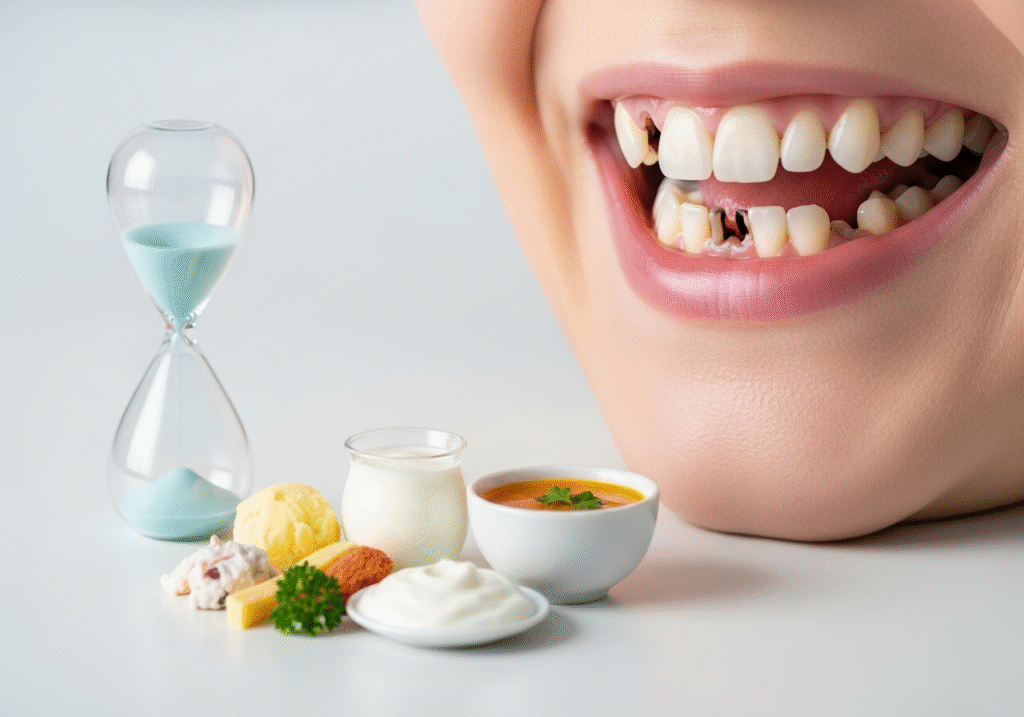
In the first three days, patients should stick to liquids and soft foods. By days four through seven, soft solids like pasta, scrambled eggs, and cooked vegetables can be added. Gradually, most normal foods can be introduced after one to two weeks, with full recovery and a return to a regular diet typically occurring within two to three weeks. Individual healing rates may vary, so following your dentist’s advice is essential.
Complications to Watch Out For
Even with proper care, some complications may arise. Dry socket can cause severe pain if the blood clot is lost. Signs of infection include swelling, redness, pus, and fever. Prolonged bleeding beyond 24 hours is another warning sign. If any of these symptoms occur, patients should contact their dentist immediately to prevent further issues.
FAQs About Eating After Tooth Extraction
Can I drink alcohol?
No. Alcohol can slow healing, increase bleeding, and increase infection risk.
Can I eat candy?
Avoid hard, sticky, or chewy candy for at least a week.
How do I manage pain while eating?
Take prescribed pain medication and stick to soft, lukewarm foods.
Can children eat the same way?
Yes, but extra care is needed to avoid choking and protect the extraction site.
Can I chew gum after extraction?
Avoid gum for at least a week as it can stick to the extraction site and dislodge the clot.
Personal Tips and Experiences
Many patients find comfort in creative soft foods during recovery. Smoothies with bananas and yogurt, mashed sweet potatoes with a small amount of butter, and ice cream or sorbet can be soothing. Patient stories show that these foods help maintain nutrition while reducing discomfort and promoting healing.
Sharing personal tips makes the recovery process feel more manageable and reassuring, and helps patients experiment safely with foods they can enjoy while healing.
Conclusion
Knowing how long after tooth extraction you can eat is key to a smooth, complication-free recovery. Stick to a diet of soft foods during the first few days, avoid risky foods, and follow your dentist’s instructions closely. Proper care, nutrition, and attention to the extraction site allow for faster healing, reduced discomfort, and a safe return to normal eating. Healing takes time and patience, but with the right approach, recovery can be comfortable and worry-free.
Can I eat 3 hours after tooth extraction?
It’s best to wait at least 24 hours and stick to liquids or very soft foods.
When can I eat solid food after tooth extraction?
Typically, after 4–7 days, once the gum has started healing.
How soon can I drink water after tooth extraction?
You can sip water immediately, but avoid using a straw for the first 24 hours.
What can I eat 7 days after tooth extraction?
Soft solids like mashed potatoes, pasta, scrambled eggs, and soft vegetables.
How long after tooth extraction can I eat ice cream?
Ice cream is safe after 24 hours, as long as it’s soft and doesn’t have hard chunks.
How long after tooth extraction can I drink coffee?
Wait 24 hours, and drink it lukewarm to avoid disturbing the clot.
How long after tooth extraction can I eat rice?
Soft, well-cooked rice is usually safe after 3–5 days, depending on healing.
How long after tooth extraction can I eat yogurt?
You can eat yogurt 24–48 hours after extraction, as it’s soft and soothing.