

After a tooth extraction, many patients wonder how long after tooth extraction can I use a straw. Using a straw too soon can be risky because it may dislodge the blood clot, causing a painful condition known as dry socket. Proper healing time is crucial to avoid complications and ensure that the gum and bone recover safely. Understanding the right post-extraction care helps protect the extraction site and minimizes pain. In addition, knowing when to resume normal activities like eating, drinking, and oral hygiene is important for a smooth recovery. This guide explains safe timelines and tips for using a straw after extraction.
Tooth extraction is one of the most common dental procedures performed in the United States. While the procedure itself is straightforward, the post-extraction period can raise many questions for patients. One of the most frequent questions is, how long after tooth extraction can I use a straw. Using a straw too early can interfere with the healing process and may lead to a painful complication called dry socket. Proper care after tooth extraction is essential for minimizing pain, preventing infection, and ensuring smooth healing. This article explores everything you need to know about post-extraction care, safe drinking practices, and how to protect the extraction site while recovering.
Dental professionals emphasize that protecting the blood clot that forms in the socket is critical. The clot acts as a natural barrier, covering the exposed bone and nerves while the tissue regenerates. Any activity that disrupts this clot, including sucking through a straw, smoking, or vigorous rinsing, can delay healing or cause serious complications. In this article, we will provide a detailed guide on how long to wait before using a straw, alternatives to straws, signs of complications, and tips to ensure a smooth recovery.
What Happens After Tooth Extraction
After a tooth is removed, the body immediately begins the healing process. The first step is the formation of a blood clot in the empty socket. This clot protects the underlying bone and nerves while serving as a foundation for tissue regeneration. The clot is delicate during the first 24 to 72 hours and can be easily dislodged. If it is disturbed, a painful condition known as dry socket can develop.
Gum tissue begins to close over the socket within a few days, and bone slowly regenerates over several weeks. Healing can vary depending on the type of extraction, the patient’s age, overall health, and whether the extraction was simple or surgical. For example, wisdom tooth extractions often involve more trauma and take longer to heal than a simple molar extraction. Maintaining oral hygiene without disturbing the blood clot is essential during this time.
Patient experiences can illustrate this well. For instance, a 28-year-old patient who had a lower molar extracted reported minimal discomfort and fast healing when she avoided using a straw for a week. Conversely, a 35-year-old patient who used a straw the day after extraction developed dry socket and had severe pain for several days. These cases highlight the importance of following proper post-extraction care.
Why Using a Straw Can Be Risky
Using a straw after tooth extraction can be surprisingly harmful. Sucking through a straw creates negative pressure in the mouth. This suction can dislodge the blood clot that forms in the socket, exposing bone and nerves. When this happens, patients can develop dry socket, which is extremely painful and can significantly delay healing.
Dry socket, or alveolar osteitis, is a complication that occurs in approximately 2–5% of all tooth extractions. It often manifests 2–5 days after the procedure and can cause severe pain, bad taste, and visible bone in the socket. Even mild suction from a straw can be enough to dislodge the clot in some patients. According to a study published in the Journal of Oral and Maxillofacial Surgery, patients who used straws too early had a significantly higher risk of dry socket compared to those who waited.
Dentists strongly recommend avoiding straws for at least 24 to 72 hours. In more complex cases, such as surgical extractions or removal of impacted wisdom teeth, the waiting period may extend to a week or more. Using a straw too soon can undo all the careful healing steps, forcing the patient to endure additional pain, delayed recovery, and possibly extra dental visits.
How Long to Wait Before Using a Straw
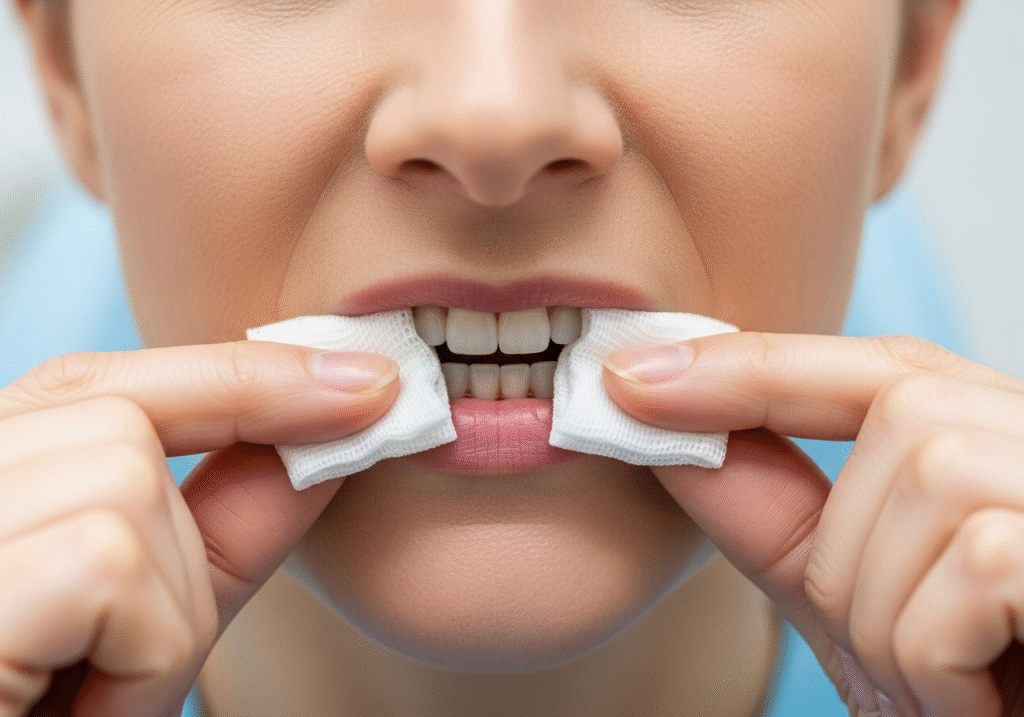
The safe time to resume using a straw after tooth extraction depends on several factors, including the type of extraction and the patient’s healing speed. Most dental professionals recommend waiting at least three to seven days before using a straw.
For minor extractions, such as a single molar, 24 to 48 hours may be sufficient for the blood clot to stabilize. Surgical extractions, particularly of wisdom teeth, may require a full week before introducing any suction. Individual factors like age, overall health, and habits such as smoking also affect healing time. Smokers and patients with weakened immune systems may need to wait longer to prevent complications.
A case study of a 32-year-old male patient illustrates this timeline. He had a lower molar extraction and used a straw after 48 hours. This caused mild clot displacement and prolonged soreness. In contrast, another patient who waited a full seven days reported no complications and a smooth recovery. These examples reinforce why patience is crucial during the post-extraction period.
Table: Recommended Waiting Period Before Using a Straw After Extraction
| Type of Extraction | Recommended Waiting Period |
| Simple single tooth | 24–48 hours |
| Surgical extraction | 3–7 days |
| Wisdom teeth | 7–10 days |
| Multiple teeth | 5–7 days |
This table provides a general guideline, but following your dentist’s instructions is always the safest approach.
Tips for Safe Healing After Extraction
Caring for your mouth after a tooth extraction requires attention to diet, oral hygiene, and overall health. Consuming soft foods like yogurt, mashed potatoes, and soups can help you stay nourished without disturbing the extraction site. Cold liquids can soothe inflammation, but avoid hot or spicy foods that may irritate the gums.
Gentle rinsing with warm saltwater after the first 24 hours helps keep the area clean without affecting the clot. Brushing your teeth is still important, but care should be taken to avoid the extraction site. Pain management can include over-the-counter medications like acetaminophen or ibuprofen, but you should follow your dentist’s instructions.
Patients should also avoid tobacco, alcohol, and vigorous physical activity during the healing period. Adequate rest, hydration, and avoiding direct pressure on the extraction site are key. Using an antimicrobial mouthwash can reduce bacteria and prevent infection. These steps, when combined with avoiding straws, create the best environment for healing.
Alternatives to Using a Straw
While straws are convenient, there are several safer alternatives during post-extraction recovery. Drinking directly from a cup, using a spoon for liquids, or employing special post-op cups can reduce suction and protect the blood clot. For children or elderly patients, sippy cups designed for gentle sipping are particularly helpful.
Smoothies or milkshakes can still be enjoyed, but using a spoon prevents the strong suction that comes from a straw. These alternatives allow patients to stay hydrated and maintain nutrition without compromising healing. Careful, slow sipping ensures comfort while protecting the extraction site from trauma.
Signs of Complications to Watch For

Monitoring the extraction site is crucial. The two primary complications after tooth extraction are dry socket and infection. Dry socket typically appears 2–5 days post-extraction and is characterized by severe pain, a foul taste, and visible bone in the socket. Infection may present with swelling, pus, fever, or worsening pain over time.
Patient experiences highlight the importance of early recognition. For example, a 40-year-old patient noticed persistent pain and bad taste three days after extraction. Prompt contact with her dentist allowed early treatment with medicated dressings and antibiotics, preventing more serious complications. Ignoring these warning signs can lead to prolonged pain, delayed healing, and additional dental procedures.
Frequently Asked Questions
Many patients have questions about post-extraction care and straw usage. Can I sip through a straw if I am careful? While minimal suction may sometimes be safe after a few days, it is always better to wait and use alternatives. Can children use a straw after extraction? Children should avoid straws for at least one week, as their healing may be slower.
Other common questions include whether smoothies, milkshakes, or thick liquids are safe. Consuming these with a spoon instead of a straw is recommended. Can I smoke after extraction? Smoking is strongly discouraged during healing, as it increases the risk of dry socket and infection. Following your dentist’s instructions carefully ensures the fastest and safest recovery.
Myths vs Facts About Post-Extraction Care
Several myths about tooth extraction recovery persist. One common misconception is that using a straw 24 hours after extraction is harmless. The fact is, even gentle suction can dislodge the clot. Another myth is that only wisdom teeth extractions can lead to dry socket. In reality, any extraction site is vulnerable if the clot is disturbed.
Evidence from dental research shows that following proper post-extraction care protocols, including avoiding straws, smoking, and hot liquids, significantly reduces the risk of complications. Patients who follow guidelines experience faster recovery, less pain, and fewer emergency visits. Educating patients about these facts is essential for safe and effective healing.
Case Study: Real Patient Experience
A 29-year-old female patient underwent surgical extraction of a lower wisdom tooth. She was eager to drink her smoothie the day after surgery and used a straw. Within 24 hours, she developed severe pain and noticed an unusual bad taste in her mouth. Her dentist confirmed a dry socket. After treatment with medicated dressings and careful monitoring, she recovered, but the pain lasted an additional week.
In contrast, a 33-year-old male patient who avoided straws and followed soft food and oral hygiene guidelines experienced minimal discomfort and complete healing in a week. These cases illustrate the importance of patience and adherence to post-extraction instructions.

Step-by-Step Guide for First Week After Extraction
The first week after extraction is critical. On day one, focus on rest and gentle rinsing after 24 hours. Days two to three involve continuing soft foods, monitoring the site, and avoiding straws or suction activities. Days four to seven allow gradual reintroduction of normal eating habits while maintaining careful oral hygiene. By the end of the week, the blood clot stabilizes, and the risk of dry socket significantly decreases.
Recommended Daily Routine for First Week
| Day | Activity |
| 1 | Rest, apply ice packs, gentle pain relief |
| 2 | Soft foods, gentle saltwater rinse |
| 3 | Monitor for complications, avoid straws |
| 4 | Continue soft foods, hydrate, maintain oral hygiene |
| 5 | Introduce slightly firmer foods if comfortable |
| 6–7 | Gradually resume normal activities, avoid smoking |
Conclusion
Knowing how long after tooth extraction can I use a straw is vital for a smooth and safe recovery. Most patients should wait at least three to seven days, depending on the complexity of the extraction and individual healing factors. Following post-extraction care tips, using alternatives to straws, and monitoring for complications like dry socket or infection ensures the best outcomes. Protecting the blood clot is critical for proper healing, and patience during this period will prevent unnecessary pain and additional dental procedures. Always follow your dentist’s instructions and prioritize your oral health during recovery.
Can I use a straw 3 days after tooth extraction?
It’s best to avoid using a straw 3 days after tooth extraction. The blood clot may still be fragile, and suction can dislodge it, increasing the risk of dry socket.
Can I use a straw 7 days after tooth extraction?
Can I use a straw 6 days after tooth extraction?
When can I use a straw after tooth extraction with stitches?
Can I use a straw 4 days after tooth extraction?
Using a straw 4 days after extraction is risky. The clot may not be fully secure, so it’s better to wait or use alternatives like a cup or spoon.
How long after tooth extraction can I spit?
Avoid spitting for the first 24 hours after extraction. Gentle rinsing after 24 hours is okay, but strong spitting can dislodge the clot.
How long after a tooth extraction can I use mouthwash?
Avoid commercial mouthwash for the first 24 hours. After that, a gentle, alcohol-free mouthwash is safe, or you can rinse with saltwater to protect healing tissue.
Can I use a straw 5 days after tooth extraction?
Using a straw 5 days after extraction may be safe if the clot is stable, but it’s still safer to wait 7 days or use a cup to prevent complications.