

How Long Is the Recovery from Wisdom Tooth Removal is a common concern for patients undergoing this procedure. Recovery time can vary depending on factors such as the complexity of the extraction, oral health, and individual healing abilities. Most people experience swelling, pain, and discomfort for the first few days, which gradually improves with proper care. Understanding the typical healing timeline and adopting effective post-operative measures can make the recovery process smoother and prevent complications. By knowing what to expect, patients can better manage dietary restrictions, maintain oral hygiene, and follow dentist instructions, ensuring a safe and efficient return to normal activities.
Wisdom tooth extraction is one of the most common dental procedures performed worldwide. Many patients wonder how long is the recovery from wisdom tooth removal and what to expect during the healing process. Recovery varies from patient to patient, depending on factors such as the number of teeth removed, whether the teeth were impacted, the complexity of the surgery, and the patient’s overall health. The process involves several stages, starting with the formation of a blood clot, followed by gum tissue healing, and eventually bone remodeling. Understanding each stage of recovery helps patients manage pain, swelling, and potential complications while ensuring a smoother healing experience.
It is important to note that while some people recover quickly within a week or two, others may take a month or longer to feel completely normal. Proper care immediately after surgery is essential to prevent complications such as dry socket, infection, or prolonged pain. By following your dentist’s instructions, maintaining oral hygiene, and monitoring your recovery, you can reduce discomfort and promote faster healing. This article explores the stages of recovery, what to expect day by day, and tips for managing pain, diet, and activity.
What to Expect After Wisdom Tooth Extraction
After a wisdom tooth is removed, the body immediately begins a healing process. During the first few hours, bleeding is common, and your dentist will place a gauze pad over the extraction site to help form a blood clot, which is vital for proper healing. Swelling of the cheeks, jaw, and sometimes the neck is normal. This swelling typically peaks within 48 hours and gradually decreases. Mild bruising may appear around the extraction site or jaw, and slight discomfort is common. Pain can be managed with over-the-counter or prescribed medications, and resting with your head elevated helps reduce swelling.
Some patients may experience numbness due to local anesthesia, which can last for a few hours after the procedure. It is important not to disturb the extraction site during this period. Avoid touching the area with fingers or tongue, as this can dislodge the blood clot and slow the healing process. Maintaining proper oral hygiene is essential, but brushing near the extraction site should be gentle. Saltwater rinses after 24 hours can help reduce bacteria and promote healing without causing harm to the surgical area.
Day-by-Day Recovery Timeline
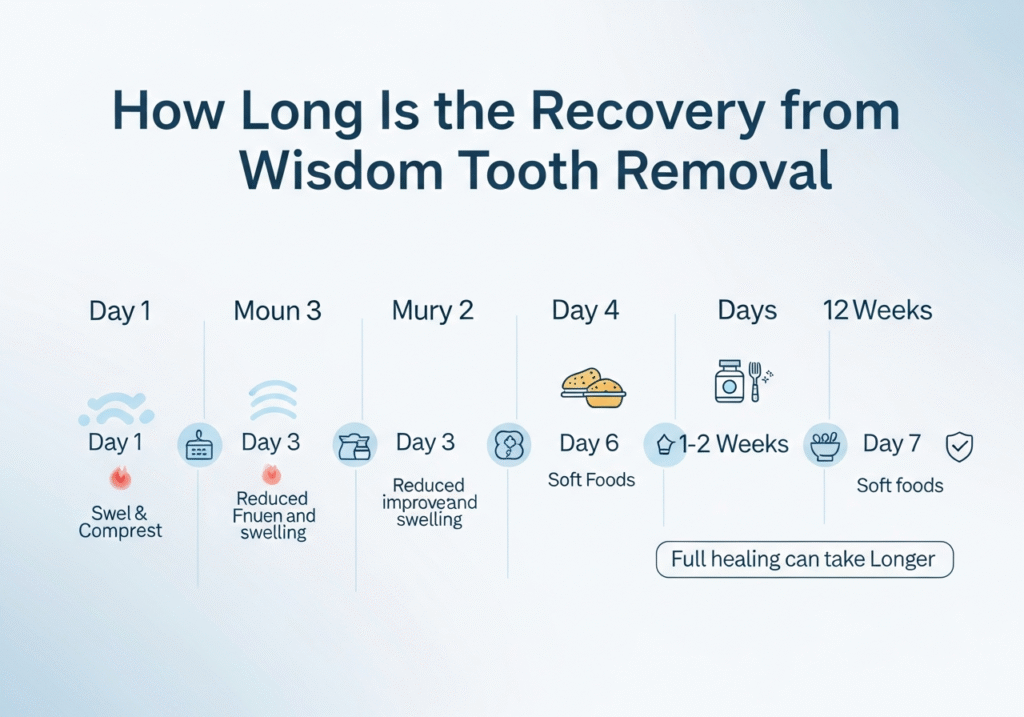
Understanding the day-by-day recovery timeline helps patients anticipate changes in pain, swelling, and healing. On Day 1, bleeding and swelling are most noticeable. Resting, avoiding physical activity, and keeping the head elevated help minimize bleeding. Cold compresses applied to the cheeks reduce swelling and discomfort. During this time, soft foods like yogurt, soup, and mashed potatoes are recommended, and straws should be avoided to protect the blood clot.
On Day 2 and Day 3, swelling often reaches its peak, and pain can be moderate. Using cold compresses intermittently and taking pain medication as prescribed provides relief. Gentle saltwater rinses can begin after 24 hours to keep the site clean. Eating soft foods remains important, and chewing should be done on the opposite side of the extraction site. This is also the time when patients may start noticing minor bruising on the cheeks and jaw. Maintaining hydration is essential for overall recovery.
By Day 4 to Day 7, most swelling begins to subside, and discomfort is usually manageable. The blood clot stabilizes, allowing the gum tissue to start closing over the extraction site. Patients may gradually return to light daily activities but should continue avoiding strenuous exercise. Stitches, if used, may begin dissolving or may be removed by the dentist. During this period, pain is typically mild, but vigilance is necessary to detect early signs of dry socket or infection.
From Week 2 onward, soft tissue healing continues, and most patients can resume normal activities, including work and school. Any residual pain or tenderness is usually mild. By the end of Week 3 or Week 4, the extraction site appears mostly healed, though bone remodeling continues beneath the gums. Full bone healing may take several months, depending on the complexity of the extraction and individual health factors. Regular follow-up visits with the dentist help monitor progress and ensure proper recovery.
First Week: Critical Care

The first week after wisdom tooth extraction is critical for preventing complications and ensuring smooth healing. Patients should avoid spitting forcefully, using straws, smoking, or eating hard foods that may dislodge the blood clot. Gentle oral hygiene is crucial; brushing should be done carefully around the extraction site to avoid irritation. Saltwater rinses help maintain cleanliness without disturbing the healing tissue. Pain management with prescribed or over-the-counter medication keeps discomfort manageable. Ice packs during the first 48 hours reduce swelling, while keeping the head elevated minimizes bleeding. Patients should also rest as much as possible during this initial period.
During the first week, it is normal to experience moderate swelling and discomfort. The blood clot plays a critical role in protecting the exposed bone and nerve endings, so avoiding any action that may disturb it is essential. If the clot is dislodged, a dry socket may develop, causing severe pain and delaying recovery. Maintaining proper hydration and following the dentist’s dietary recommendations support the healing process. Regular monitoring of the extraction site allows early detection of any signs of infection or unusual symptoms.
Second Week: Healing Progress
By the second week, most of the swelling has reduced, and the gum tissue is gradually closing over the extraction site. Pain is usually mild or completely gone, allowing patients to resume normal activities. Stitches, if present, may dissolve or be removed by the dentist during a follow-up visit. During this phase, patients can start reintroducing more solid foods while continuing to chew on the side opposite the extraction site. Gentle oral hygiene practices continue to be important to prevent infection and promote healing.
During this period, patients may notice slight sensitivity in the gums or jaw, which is normal. Bone healing continues beneath the surface of the gum, even though it may not be visible. Some mild discomfort when eating or talking is common, but it should gradually improve. Patients are encouraged to monitor for any unusual symptoms, such as increased swelling, persistent pain, or fever, as these may indicate complications requiring professional attention.
Third to Fourth Week: Bone and Gum Healing
By the third and fourth week, the extraction site shows significant improvement. The gum tissue is mostly healed, and any residual swelling or bruising typically disappears. Patients may notice slight changes in jaw alignment or sensitivity, which is normal and part of the healing process. Bone healing begins beneath the gums, and this process can continue for several months. While the soft tissue appears healed, complete bone regeneration may take 8 to 12 weeks or longer depending on individual healing rates.
During this phase, patients can gradually return to normal diet and activities, avoiding trauma to the extraction site. Follow-up appointments with the dentist help monitor bone healing and ensure no complications have arisen. Proper oral hygiene remains essential, and patients are advised to continue gentle brushing and rinsing with saltwater. The healing process is often complete in terms of gum tissue, but patients may still notice occasional tenderness or sensitivity for a few more weeks.
Pain Management During Recovery
Pain management is a key part of wisdom tooth recovery. Most patients use over-the-counter painkillers such as ibuprofen or acetaminophen, while dentists may prescribe stronger medications for more complex extractions. Cold compresses help reduce swelling during the first 48 hours, while warm compresses can be used after Day 3 to improve blood flow and comfort. Saltwater rinses, proper hydration, and rest also help alleviate discomfort. Patients should follow the dentist’s instructions carefully and avoid overusing pain medication. Persistent or severe pain may indicate dry socket or infection, which requires immediate attention.
Foods to Eat and Avoid
Diet plays a significant role in recovery. During the first few days, soft foods such as yogurt, mashed potatoes, soup, pudding, and smoothies are recommended. Hydration is essential, but straws should be avoided to prevent dislodging the blood clot. Hard, crunchy, or sticky foods can irritate the extraction site and delay healing. As recovery progresses, patients can gradually introduce solid foods, chewing on the side opposite the extraction site until full healing is achieved. Proper nutrition supports tissue repair, strengthens the immune system, and helps prevent infection.
Common Complications
While most patients recover without complications, some may experience issues such as dry socket, infection, nerve injury, or prolonged pain and swelling. Dry socket occurs when the blood clot protecting the extraction site is dislodged, exposing the bone and nerves and causing severe pain. Infection may present with fever, pus, or worsening swelling. Nerve injury, though rare, can result in numbness or tingling in the lips, tongue, or jaw. Recognizing warning signs and seeking prompt professional care helps prevent these complications from becoming serious.
Tips for Faster Recovery
Recovery from wisdom tooth removal can be optimized by following simple tips. Rest, applying ice packs during the first 48 hours, and keeping the head elevated help reduce swelling. Avoiding smoking, alcohol, and strenuous activity minimizes the risk of dry socket and infection. Gentle oral hygiene, including saltwater rinses, helps keep the site clean. Maintaining a soft food diet for the first week and gradually introducing solid foods supports tissue healing. Staying hydrated, taking medications as prescribed, and attending follow-up appointments ensures timely and safe recovery.
Long-Term Effects of Wisdom Tooth Extraction
Most patients experience few long-term effects following wisdom tooth removal. Some may notice slight jawbone changes, minor teeth shifting, or residual tenderness, which are normal parts of the healing process. Bone remodeling continues for months after the procedure. Regular follow-up visits with the dentist help monitor recovery and detect any potential issues. Understanding long-term effects reassures patients and encourages them to follow post-operative instructions diligently.
When to Contact Your Dentist
Patients should contact their dentist if they experience persistent severe pain, swelling that worsens after a week, fever, pus around the extraction site, or prolonged numbness. These symptoms may indicate infection, dry socket, or nerve injury. Early intervention prevents complications from worsening and ensures proper recovery. Patients are encouraged to keep all follow-up appointments and report any unusual symptoms promptly.
Patient Experiences and Case Studies
Many patients report initial swelling and discomfort during the first few days, followed by gradual improvement. Recovery time varies, with some patients feeling better within a week, while others require two to three weeks. Impacted wisdom teeth or surgical extractions often lead to longer recovery. Patients who follow post-operative instructions carefully, maintain a soft food diet, and practice proper oral hygiene generally experience faster healing and fewer complications. Case studies show that adherence to care guidelines is directly linked to better outcomes.
Frequently Asked Questions
Patients often ask about specific aspects of recovery. Common questions include whether they can use a straw, how long pain lasts, when normal eating can resume, and what to do if swelling persists. Most dentists recommend avoiding straws for at least a week to protect the blood clot. Pain typically diminishes within 3 to 7 days, and normal eating can resume gradually after two weeks. Persistent swelling or pain beyond two weeks should prompt a dental evaluation.
Conclusion
Understanding how long is the recovery from wisdom tooth removal helps patients prepare for the healing process and manage expectations. Recovery involves several stages, from blood clot formation to soft tissue healing and long-term bone remodeling. Following dentist instructions, maintaining proper oral hygiene, resting, and avoiding risk factors like smoking and straws ensures smoother recovery. Most patients resume normal activities within two weeks, while complete bone healing may take several months. Awareness of potential complications and timely intervention guarantees a safe and comfortable recovery experience.

Tips & Solutions for Faster Recovery
- Rest Properly – Avoid strenuous activity for the first few days.
- Control Swelling – Apply ice packs 15–20 minutes at a time during the first 24–48 hours.
- Eat Soft Foods – Stick to yogurt, soup, mashed potatoes, and smoothies.
- Maintain Oral Hygiene – Gently rinse with warm salt water; avoid brushing the extraction site aggressively.
- Avoid Smoking & Alcohol – Both slow healing and increase the risk of dry socket.
- Stay Hydrated Carefully – Drink water but avoid using straws.
- Monitor Symptoms – Contact your dentist if severe pain, bleeding, or infection occurs.
Worst Day of Pain After Wisdom Tooth Extraction
Pain usually peaks around 24–48 hours after extraction and gradually decreases over the next few days with proper care.
How Soon Can You Talk After Wisdom Teeth Removal
You can generally talk immediately, but swelling and discomfort may make speaking slightly difficult for the first day or two.
Dos and Don’ts After Wisdom Tooth Extraction
Do rest, keep the area clean, eat soft foods; don’t smoke, use straws, or touch the extraction site to prevent complications.
Day by Day Wisdom Teeth Recovery Timeline
Days 1–2: swelling and pain; Days 3–5: gradual improvement; Week 1–2: most discomfort resolves; 2–4 weeks: full healing.
Can I Go to Work the Next Day After Wisdom Tooth Extraction
If your job is light, you may return the next day, but most people need 1–3 days off to rest and recover properly.
Side Effects of Wisdom Tooth Extraction
Common side effects include swelling, bruising, bleeding, pain, difficulty opening the mouth, and temporary numbness in some cases.
Wisdom Tooth Removal Cost
Costs vary widely, typically $200–$600 per tooth, with higher prices for impacted or surgically removed teeth.