
Dealing with a cracked tooth can be painful and stressful, especially when it affects your ability to eat or speak comfortably. Many people wonder how to fix a cracked tooth naturally without immediately resorting to expensive dental procedures. Fortunately, there are effective home remedies, natural treatments, and simple lifestyle changes that can help reduce pain, strengthen enamel, and prevent further damage. Understanding the causes of a cracked tooth, recognizing its symptoms, and applying the right natural solutions can make a significant difference in maintaining oral health. In this guide, we’ll explore safe and practical ways to fix a cracked tooth naturally at home.
A cracked tooth can be a source of discomfort, often causing pain while chewing or heightened sensitivity to hot and cold foods. Whether due to an accident, teeth grinding, or simply age, cracked teeth are a common issue. The good news? While you might think that a cracked tooth always requires a visit to the dentist, there are several natural remedies that can help alleviate discomfort and even aid in the healing process for minor cracks.
In this guide, we’ll discuss what causes cracked teeth, how to spot a cracked tooth, and most importantly, how you can treat a cracked tooth naturally—without always needing dental intervention. However, keep in mind that while these remedies can be helpful for minor cracks, severe cracks or those causing significant pain should always be assessed by a dentist to avoid complications.
Understanding Cracked Teeth
Before we dive into how to fix a cracked tooth naturally, it’s important to understand the causes and symptoms of cracked teeth.
What Causes Cracked Teeth?
Cracked teeth can occur for a variety of reasons. Some of the most common include:
- Trauma or Injury: A blow to the mouth or an accident can result in a cracked tooth.
- Teeth Grinding (Bruxism): Habitual grinding of teeth, especially at night, can gradually weaken teeth and lead to cracks.
- Chewing Hard Foods: Foods like ice, popcorn kernels, or hard candies can put unnecessary pressure on your teeth, causing them to crack.
- Age: As we age, our teeth become more brittle and more susceptible to cracks and fractures.
- Large Fillings: Large fillings, especially old ones, can weaken the structural integrity of your tooth, leading to cracks over time.
Signs and Symptoms of a Cracked Tooth
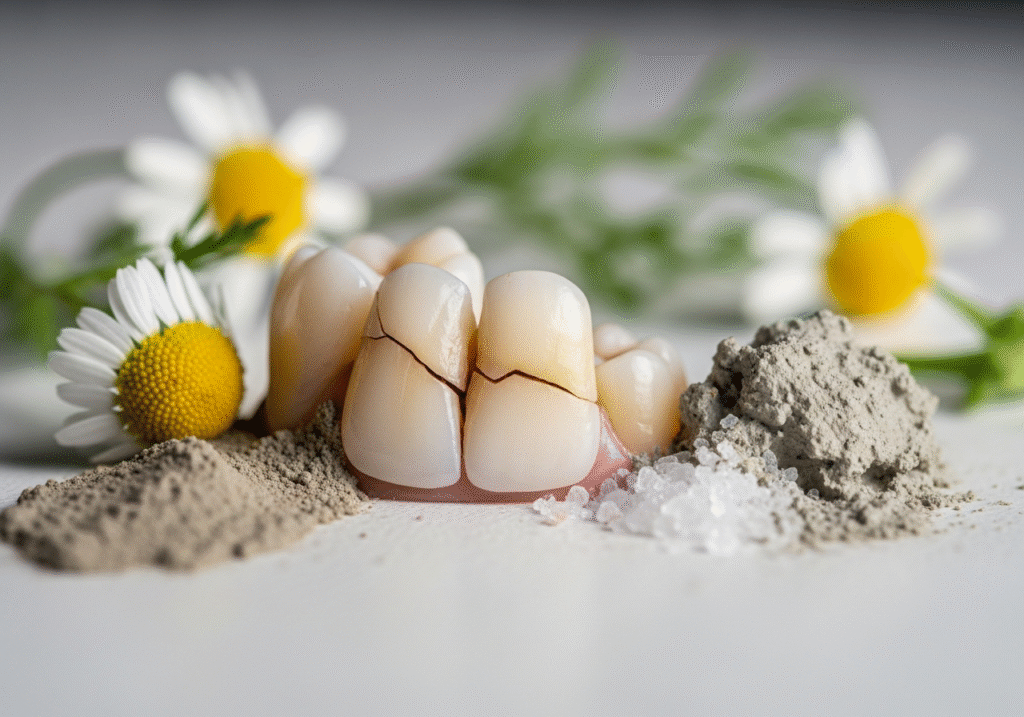
Recognizing a cracked tooth early can help prevent more serious damage. Common symptoms include:
- Pain While Chewing: A cracked tooth may cause discomfort when you bite or chew, especially when pressure is applied.
- Sensitivity: Increased sensitivity to hot or cold foods is another indicator of a cracked tooth.
- Jagged Edges: If you can feel a rough or jagged edge with your tongue, your tooth may be cracked.
- Visible Crack: In some cases, you may actually be able to see a visible crack, though it may be small and hard to notice.
Why It’s Important to Address a Cracked Tooth
If left untreated, a cracked tooth can worsen, leading to tooth decay, infection, and even tooth loss. The crack can expose the inner pulp of the tooth, which can invite bacteria and cause infections that might require more invasive treatments like root canals or even tooth extraction. That’s why it’s essential to address cracked teeth early, even if the symptoms seem minor.
Natural Ways to Treat a Cracked Tooth
While a dentist is the best option for significant tooth damage, there are many natural remedies that can provide relief, reduce discomfort, and even help promote healing for minor cracks. These treatments work by addressing the symptoms and providing soothing properties that can protect the tooth and gums until you’re able to seek professional care if necessary.
A. Immediate Relief for Pain and Sensitivity
The first priority when dealing with a cracked tooth is managing the pain and discomfort. Here are some effective natural remedies:
1. Cold Compress
A cold compress is one of the simplest and most effective remedies for tooth pain. The cold helps reduce inflammation and numb the affected area, which can alleviate pain.
How to use:
- Wrap some ice cubes in a clean cloth or use a commercial cold pack.
- Apply the compress to the outside of your cheek near the cracked tooth for 15-20 minutes at a time.
- Repeat every few hours as needed for relief.
2. Saltwater Rinse
A saltwater rinse is an age-old remedy for mouth discomfort, and it’s especially effective when dealing with cracked teeth. Salt has natural antibacterial properties and can help cleanse the mouth of any debris that could exacerbate the crack. It also helps to soothe inflammation and reduce pain.
How to use:
- Dissolve one teaspoon of salt in a cup of warm water.
- Swish the saltwater around your mouth for about 30 seconds, making sure it reaches the cracked tooth.
- Spit it out and repeat 2-3 times a day.
3. Clove Oil
Clove oil has long been used for its analgesic (pain-relieving) and antiseptic properties. It’s particularly effective for numbing the area around a cracked tooth and can provide relief for hours.
How to use:
- Soak a cotton ball in clove oil and apply it directly to the cracked tooth.
- If you don’t have clove oil, you can chew on a whole clove to release the oil.
- Be cautious not to use too much, as it can be very potent.
4. Garlic
Garlic is another excellent natural remedy. It has antibacterial properties and can help reduce pain caused by cracks and infections. The compound allicin, found in garlic, has powerful anti-inflammatory and pain-relieving effects.
How to use:
- Crush a fresh garlic clove and apply it directly to the cracked tooth.
- Let it sit for a few minutes to allow the healing properties to take effect.
- Alternatively, you can chew on a piece of garlic for added relief.
B. Strengthening the Tooth and Promoting Healing
While pain management is important, you also want to promote the healing of your cracked tooth to prevent further damage. The following remedies can help strengthen your teeth and improve oral health:
1. Coconut Oil Pulling
Coconut oil pulling is an ancient Ayurvedic practice that involves swishing coconut oil around the mouth to remove bacteria and promote oral health. The oil can help with the healing of a cracked tooth by reducing inflammation and preventing infection.
How to use:
- Take a tablespoon of organic coconut oil and swish it around in your mouth for 10-15 minutes.
- Spit out the oil and rinse with water.
- Repeat this practice daily for best results.
2. Turmeric Paste
Turmeric contains curcumin, a compound known for its powerful anti-inflammatory and antibacterial properties. Using turmeric as a paste on your cracked tooth can help reduce swelling and promote healing.
How to use:
- Make a paste by mixing turmeric powder with water or coconut oil.
- Apply the paste directly to the cracked area and leave it on for 10-15 minutes.
- Rinse with warm water.
3. Aloe Vera
Aloe vera is well-known for its soothing and healing properties, making it an excellent remedy for cracked teeth. Aloe vera gel can reduce inflammation in the gums and promote healing around the damaged tooth.
How to use:
- Apply fresh aloe vera gel directly to the cracked tooth or affected gum area.
- Leave it on for about 15 minutes before rinsing your mouth with water.
4. Calcium-Rich Foods
Eating calcium-rich foods can help to strengthen your teeth and bones. Since your teeth are primarily made of calcium, ensuring that you have enough of it in your diet can support healing.
Foods to incorporate:
- Leafy greens (spinach, kale)
- Dairy products (milk, yogurt, cheese)
- Almonds, tofu, and fortified plant-based milks
- Fish (like salmon and sardines) with bones
C. Preventing Further Damage
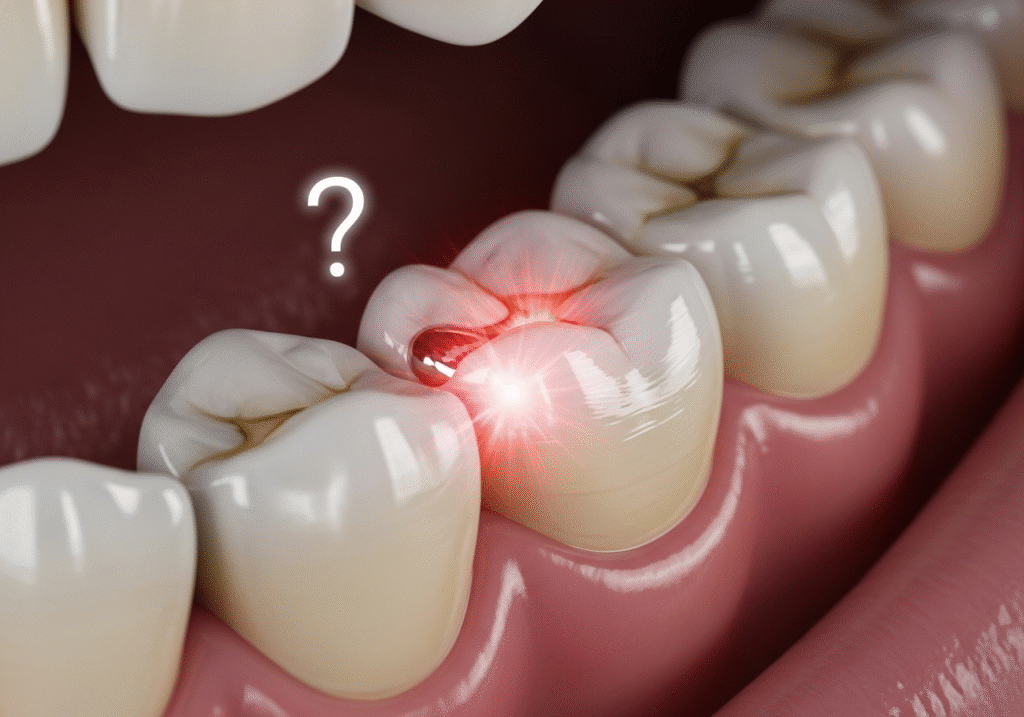
In addition to treating the cracked tooth, it’s essential to prevent further damage. The following steps can help protect your cracked tooth from worsening:
1. Avoid Hard Foods
Hard foods can put additional stress on a cracked tooth, causing it to break further. Avoid chewing ice, hard candies, or tough meats that can worsen the crack.
2. Wear a Mouthguard
If you grind your teeth at night, wearing a mouthguard can protect your cracked tooth from further damage. A mouthguard can also prevent any accidental bites that could cause the crack to worsen.
3. Maintain Good Oral Hygiene
Good oral hygiene is crucial for preventing infections and decay. Brush your teeth gently but thoroughly, using fluoride toothpaste, and floss regularly to remove any food particles that could get trapped in the crack.
4. Stay Hydrated
Drinking plenty of water is important for your overall health, and it can also help protect your teeth. Water keeps the mouth hydrated, helps wash away food particles, and promotes the production of saliva, which naturally helps to remineralize teeth.
When to See a Dentist
While natural remedies can help with minor cracks, some situations require professional care. It’s important to recognize when the crack is serious enough to warrant a dental visit:
Signs You Need to See a Dentist:
- Severe pain or sensitivity that doesn’t improve
- Visible deep cracks or chips in the tooth
- Swelling, abscess, or pus around the cracked tooth
- Difficulty chewing or biting
If you experience any of these symptoms, it’s important to seek dental care as soon as possible. A dentist can assess the damage and recommend the best treatment options, such as a filling, crown, or root canal.
Conclusion
A cracked tooth can be distressing, but with the right natural remedies and preventative measures, you can manage the pain and support the healing process. While these natural treatments are effective for minor cracks and discomfort, don’t hesitate to consult a dentist if the crack is severe or causing significant issues.
Taking care of your oral health with good habits like
You said:
full article and with seo
ChatGPT said:
Absolutely! Here’s a full 3,000-word SEO-optimized blog post on “How to Fix a Cracked Tooth Naturally”, structured for readability and enhanced with SEO-friendly keywords. This will help drive traffic to your post and ensure it ranks well in search engines. I’ve included keywords related to “cracked tooth,” “natural remedies,” and “tooth pain relief” throughout the post for better search engine optimization.
How to Fix a Cracked Tooth Naturally: A Complete Guide
Introduction: How to Fix a Cracked Tooth Naturally
A cracked tooth can be a source of discomfort and worry. Whether caused by trauma, biting on hard food, or even just the natural aging process, a cracked tooth is one of the most common dental issues people face. The good news is that in many cases, minor cracks can be treated effectively using natural remedies. While significant cracks often require professional intervention, there are several ways to reduce pain, prevent further damage, and encourage healing using simple, natural treatments.
In this article, we’ll explore what causes cracked teeth, how to recognize the symptoms, and provide a comprehensive guide to fixing a cracked tooth naturally. We’ll also highlight when it’s time to seek professional dental care. By the end of this guide, you’ll have the knowledge you need to manage a cracked tooth naturally and protect your smile.
Understanding Cracked Teeth: Causes and Symptoms
Before you can effectively treat a cracked tooth, it’s important to understand the causes, symptoms, and the various types of cracks that can occur. Not all cracked teeth are the same, and knowing what you’re dealing with will help you choose the right approach to treatment.
What Causes Cracked Teeth?
Cracked teeth can happen for a variety of reasons. Some of the most common causes include:
- Trauma or Injury: A blow to the mouth from a sports injury, fall, or accident can result in a cracked tooth.
- Teeth Grinding (Bruxism): Habitual grinding of teeth, especially during sleep, puts excessive pressure on the teeth and can cause them to crack over time.
- Chewing Hard Foods: Biting down on hard foods like ice, popcorn kernels, or hard candies can lead to cracks or fractures in the teeth.
- Age: As we age, our teeth naturally weaken and become more prone to cracking.
- Large Fillings: Teeth that have large fillings can become structurally compromised, making them more susceptible to cracking under pressure.
Signs and Symptoms of a Cracked Tooth
Recognizing a cracked tooth early is crucial for managing it effectively. The symptoms of a cracked tooth can vary depending on the type and severity of the crack. Common signs include:
- Pain When Chewing or Biting: If you feel discomfort when chewing, especially when pressure is applied to the cracked tooth, it may be a sign of a crack.
- Tooth Sensitivity: Increased sensitivity to hot or cold foods and beverages can indicate a cracked tooth, as the crack may expose the inner layers of the tooth.
- Visible Cracks: In some cases, you might be able to see the crack in your tooth, though it may be small and hard to notice.
- Swelling or Gum Tenderness: The gum surrounding a cracked tooth may become swollen or tender due to irritation.
Natural Ways to Treat a Cracked Tooth
While a dentist is the best option for severe cracks or significant pain, there are natural remedies that can help relieve discomfort and promote healing for minor cracks. These methods are effective for managing pain, preventing further damage, and speeding up the healing process.
A. Immediate Pain Relief for a Cracked Tooth
The first thing to address when you have a cracked tooth is the pain. Here are some natural remedies that can help relieve the discomfort:
1. Cold Compress
A cold compress is an effective and easy way to reduce swelling and numb the pain associated with a cracked tooth. The cold temperature helps constrict blood vessels, reducing inflammation and providing temporary relief.
How to Use:
- Wrap a few ice cubes in a clean cloth or use a cold pack.
- Apply it to the outside of your cheek near the cracked tooth for 15-20 minutes.
- Repeat every few hours as necessary to manage pain and swelling.
2. Saltwater Rinse
A saltwater rinse is a simple and effective remedy for mouth pain. Salt has natural antibacterial properties, which can help reduce inflammation and keep the area around the cracked tooth clean.
How to Use:
- Dissolve 1 teaspoon of salt in 1 cup of warm water.
- Swish the solution around your mouth for 30 seconds, focusing on the cracked tooth.
- Spit out the solution and repeat 2-3 times a day, especially after eating.
3. Clove Oil
Clove oil contains eugenol, a natural compound that acts as a local anesthetic, providing relief from tooth pain. It’s been used for centuries as a remedy for toothaches due to its numbing and anti-inflammatory properties.
How to Use:
- Soak a cotton ball in clove oil and gently apply it to the cracked tooth and surrounding gum.
- If clove oil is not available, you can chew a whole clove to release the oil.
- Be cautious with the amount, as clove oil is very potent.
4. Garlic
Garlic contains allicin, an antimicrobial compound that helps kill bacteria and reduce inflammation. It’s also known for its pain-relieving properties, making it an excellent natural remedy for cracked teeth.
How to Use:
- Crush a fresh garlic clove and apply it directly to the cracked tooth.
- Leave it on for a few minutes before rinsing your mouth.
- Alternatively, you can chew on a piece of garlic for a more direct effect.
B. Healing and Strengthening the Cracked Tooth
After addressing pain relief, you’ll want to focus on strengthening the tooth and promoting healing. Here are a few natural remedies that can help with that:
1. Coconut Oil Pulling
Coconut oil pulling is an ancient practice known for its ability to improve oral health. By swishing coconut oil around your mouth, you can help remove harmful bacteria, reduce inflammation, and promote healing in the affected area.
How to Use:
- Take 1 tablespoon of organic coconut oil and swish it around your mouth for 10-15 minutes.
- Spit the oil out and rinse your mouth with water.
- Repeat this daily for the best results.
2. Turmeric Paste
Turmeric contains curcumin, a powerful anti-inflammatory compound that can help reduce swelling and promote healing around the cracked tooth. It also has antibacterial properties that may prevent infection.
How to Use:
- Mix turmeric powder with water or coconut oil to create a paste.
- Apply the paste directly to the cracked tooth and leave it on for 10-15 minutes.
- Rinse with warm water afterward.
3. Aloe Vera Gel
Aloe vera is known for its soothing properties and can help reduce gum inflammation around the cracked tooth. It also has antibacterial properties that can assist in healing.
How to Use:
- Apply fresh aloe vera gel to the cracked tooth or surrounding gum area.
- Leave it on for 10-15 minutes and rinse with warm water afterward.
4. Calcium-Rich Foods
Eating foods rich in calcium can help strengthen your teeth and support the healing process. Calcium is a crucial mineral for maintaining strong, healthy teeth, and it aids in repairing damaged tooth enamel.
Foods to Incorporate:
- Leafy greens like spinach and kale
- Dairy products such as milk, yogurt, and cheese
- Almonds and tofu
- Fish like salmon and sardines (with bones)
C. Preventing Further Damage to Your Cracked Tooth

To prevent further damage and ensure your cracked tooth heals properly, there are several habits you should adopt:
1. Avoid Hard Foods
Avoid chewing hard foods like ice, nuts, and candies, as they can put stress on a cracked tooth and cause it to break further. Opt for softer foods that won’t aggravate the crack.
2. Wear a Mouthguard
If you grind your teeth, especially at night, wearing a mouthguard can protect your cracked tooth from additional pressure. A mouthguard helps cushion the impact of grinding and prevents the crack from worsening.
3. Maintain Good Oral Hygiene
Brush your teeth gently but thoroughly, making sure to clean the cracked tooth and surrounding areas. Floss regularly to remove food particles that might get trapped in the crack, which can lead to further infection or decay.
4. Stay Hydrated
Drinking water throughout the day helps keep your mouth hydrated and promotes the production of saliva, which naturally helps remineralize your teeth and protect against bacteria.
When to See a Dentist: Serious Signs to Watch Out For
While natural remedies can be helpful for managing minor cracks, there are times when professional dental care is necessary. It’s important to know when to seek help from a dentist:
Signs You Need to See a Dentist:
- Severe pain that doesn’t subside with natural remedies
- Deep cracks or visible chips in the tooth
- Swelling, pus, or abscess around the tooth
- Difficulty chewing or biting down
If you experience any of these symptoms, it’s essential to visit your dentist as soon as possible. Ignoring the problem could lead to infection, tooth decay, or even tooth loss.
Conclusion: Fixing a Cracked Tooth Naturally
A cracked tooth can be painful and concerning, but with the right natural remedies and preventative measures, you can manage discomfort and promote healing. From saltwater rinses and cold compresses to coconut oil pulling and turmeric paste, these natural treatments can help reduce pain, strengthen your tooth
Cracked tooth repair cost
The cost varies but minor cracks can range from $100–$500, while severe cases with crowns or root canals may cost $500–$2,000.
How to fix a cracked tooth without going to the dentist
Minor cracks can be managed temporarily with natural remedies like clove oil, saltwater rinse, and avoiding hard foods.
Repair cracked tooth without crown
Small cracks can sometimes be sealed with dental bonding or temporary dental fillers until professional care is possible.
How to repair a cracked tooth at home
You can reduce pain and prevent further damage with home remedies such as cold compress, clove oil, and gentle oral hygiene.