
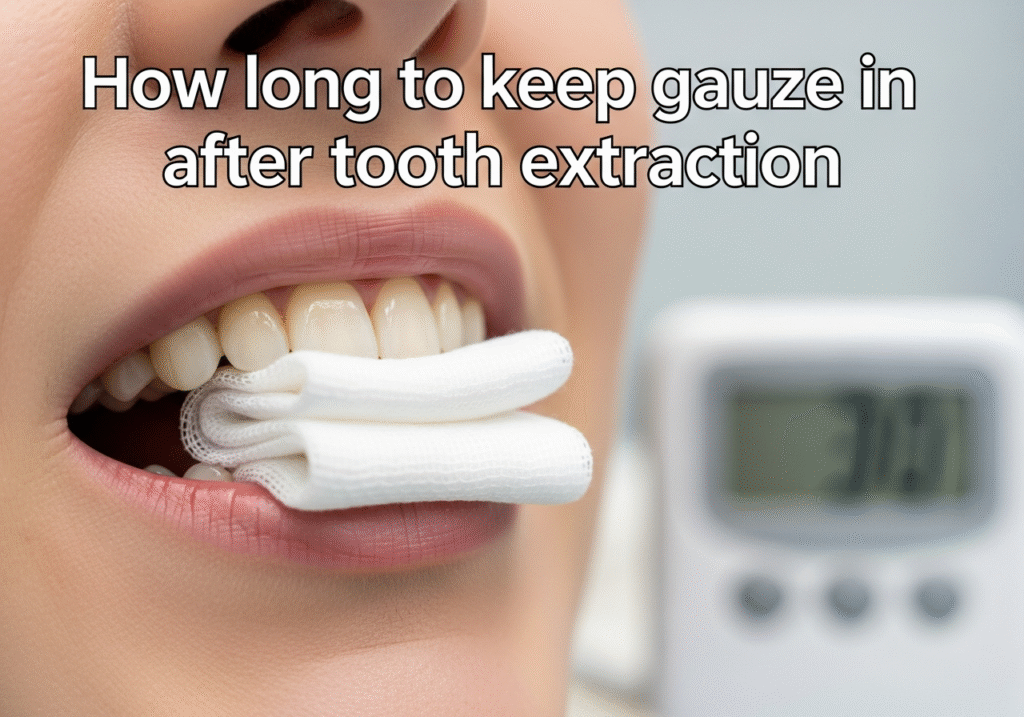
When To Stop Using Gauze After Wisdom Tooth Extraction is a common question for patients recovering from this procedure. After wisdom tooth removal, controlling bleeding is essential, and dentists usually recommend using sterile gauze to help form a stable blood clot. Proper gauze care prevents complications like dry socket and supports faster healing. Many patients are unsure how long to keep the gauze in place or when it is safe to remove it. Understanding the typical timeline, proper placement, and additional post-extraction care ensures a smooth recovery. By following dentist instructions, monitoring swelling and pain, and eating appropriate foods, patients can recover safely and efficiently.
Wisdom tooth extraction is one of the most common dental procedures. While the surgery itself is straightforward, proper aftercare is crucial for preventing complications and ensuring a smooth recovery. One of the most important parts of aftercare is using gauze correctly. Gauze is placed over the extraction site to control bleeding and help a blood clot form. Patients often ask: when should I stop using gauze after wisdom tooth extraction? Understanding the timeline and knowing the signs of proper healing can prevent problems such as prolonged bleeding, infection, or dry socket. In this article, we’ll cover everything you need to know about gauze usage, timelines, safety tips, and post-operative care.
Why Gauze Is Used After Wisdom Tooth Extraction
Gauze serves several purposes after tooth extraction. Immediately after the procedure, bleeding is normal. Gauze helps absorb excess blood and applies gentle pressure to the socket, which promotes the formation of a stable blood clot. This clot is essential because it protects the underlying bone and nerves while the tissue heals. Without proper clot formation, patients risk dry socket, a painful condition that delays healing. Gauze also keeps the area clean from saliva and food particles during the first hours after extraction. Dentists often instruct patients to bite down on gauze for 30–60 minutes initially, but many people are unsure when it’s safe to remove it completely.
Timeline for Using Gauze
The timeline for gauze use varies depending on the individual and the complexity of the extraction. Here’s a detailed look:
First 30 Minutes
During the first 30 minutes, bleeding is typically heaviest. The dentist will place a fresh piece of gauze over the site and instruct you to bite down gently but firmly. This pressure allows a blood clot to begin forming. Avoid talking, moving your jaw excessively, or spitting during this time.
30 Minutes to 2 Hours
After the first half-hour, some bleeding may continue. If blood soaks through the gauze, it’s normal. Replace the gauze with a fresh piece as instructed by your dentist. Continue biting down with gentle pressure. Swelling may also start around the extraction site, but this is normal and can be reduced with an ice pack.
2 to 4 Hours
By this time, bleeding should reduce to light oozing. If the gauze is still heavily soaked, continue to replace it every 30–45 minutes. Avoid rinsing your mouth vigorously or drinking hot liquids, as these can disturb the clot and restart bleeding.
4 to 6 Hours
Most patients notice that bleeding has slowed significantly. Gauze may still be used if oozing persists, but you can often switch to smaller pieces or less frequent changes. Many dentists recommend that by the end of 6 hours, only light spotting should remain. If bleeding remains heavy, contact your dental provider.
Part 1 Summary:
We’ve covered why gauze is used, the critical role it plays in clot formation, and a detailed 6-hour timeline. Proper gauze use in the first hours after extraction sets the stage for safe and fast healing. Understanding this early timeline also helps you know when it’s appropriate to gradually stop using gauze.
When to Stop Using Gauze Completely
Knowing when to stop using gauze is critical to proper healing. Most dentists recommend keeping gauze in place until the bleeding slows to a light, minimal flow. This usually happens 1–2 hours after extraction, but it can vary depending on factors such as how difficult the extraction was, your age, and your overall health. If you notice only a small pinkish spot on the gauze or light oozing, it is generally safe to stop using gauze. Remember, the goal is not to stop bleeding completely immediately, but to allow a stable blood clot to form. Removing gauze too early or too aggressively can dislodge the clot, leading to a painful condition known as dry socket.
Signs You Can Safely Remove Gauze
There are a few clear indicators that you can stop using gauze. First, the bleeding should have slowed significantly and not soak through the gauze immediately. Second, you should feel that the clot has stabilized; there should be no active spurting or continuous flow. Third, the area may still feel slightly tender, which is normal. If any of these signs are present, you can carefully remove the gauze and monitor the site. If you continue to experience bleeding after removing it, simply replace it with a fresh piece and continue gentle pressure.
What to Do If Bleeding Persists
Sometimes, bleeding may continue longer than expected. Several factors can cause this, including high blood pressure, smoking, vigorous rinsing, or clot disruption. Here’s how to manage it safely:
- Use a fresh piece of gauze: Place it over the extraction site and bite gently for another 30–45 minutes.
- Switch to a moistened tea bag: The tannic acid in tea helps constrict blood vessels and encourages clot formation.
- Sit upright and stay calm: Avoid lying flat or strenuous activity, as this can increase blood flow to the mouth.
- Avoid spitting or rinsing vigorously: These actions can dislodge the clot and restart bleeding.
If bleeding continues heavily after 6–8 hours, or if blood fills your mouth despite these measures, contact your dentist immediately, as this may indicate a complication that requires professional attention.
Safe Home Care After Removing Gauze

Once you can stop using gauze, proper home care becomes essential. The following tips help protect the extraction site and speed healing:
- Avoid touching the socket: Fingers or tongue can introduce bacteria or disturb the clot.
- Eat soft foods: Yogurt, mashed potatoes, soups, scrambled eggs, smoothies, and applesauce are ideal. Avoid crunchy, hard, or sticky foods for at least a week.
- Stay hydrated: Drink water regularly, but avoid straws for the first few days, as sucking can dislodge the clot.
- Use ice packs: Apply cold packs externally for the first 24 hours to reduce swelling.
- Take prescribed medications: Pain relievers or antibiotics, if prescribed, should be taken as directed.
- Rest and limit activity: Physical exertion can increase bleeding and delay healing.
Common Mistakes to Avoid
Many patients make simple mistakes that can prolong healing or cause complications:
- Sleeping with gauze: While you might be tempted to leave gauze overnight, it can stick to the clot and cause discomfort or disruption.
- Rinsing too soon: Do not rinse vigorously for the first 24 hours. Gentle saltwater rinses can begin after 24 hours.
- Chewing on the extraction site: This can irritate the socket and dislodge the clot.
- Eating hot or spicy foods: These can cause irritation and increase blood flow, leading to renewed bleeding.
- Smoking: Nicotine reduces blood flow and delays healing, increasing the risk of dry socket.
Understanding the Blood Clot
The blood clot is the body’s natural bandage. It protects the underlying bone and nerve endings, provides a foundation for tissue growth, and prevents infection. A stable clot is usually dark red initially and may form a soft layer over the extraction site. Over time, it gradually transitions as the tissue heals. The gauze plays a crucial role in helping this clot form and remain undisturbed during the first hours of recovery. Understanding how the clot works helps patients appreciate why gauze should be used carefully and only removed when appropriate.
Case Examples
Case 1: Normal Bleeding
A 25-year-old patient had a lower wisdom tooth extracted. Bleeding slowed after 45 minutes, and gauze was removed safely. Recovery was smooth with minimal discomfort.
Case 2: Prolonged Bleeding
A 30-year-old patient experienced heavier bleeding due to high blood pressure. After using gauze for 3 hours and a moistened tea bag, the bleeding slowed and clotting stabilized.
Case 3: Premature Removal of Gauze
A 22-year-old removed gauze too early. The clot dislodged, causing severe pain and dry socket. Emergency dental treatment was required.
Case 4: Excessive Activity
A 28-year-old engaged in exercise shortly after extraction. Bleeding restarted, requiring another gauze application and rest. This illustrates why patients must limit activity.
Part 2 Summary:
By this stage, we’ve covered when to stop using gauze, how to manage persistent bleeding, safe home care, mistakes to avoid, and the importance of the blood clot. Case examples highlight real-life scenarios that reinforce these lessons.
Frequently Asked Questions About Gauze After Wisdom Tooth Extraction
Many patients have common questions about gauze use and post-operative care. Addressing these questions helps prevent complications and improves recovery. Below are detailed answers to the most frequent concerns.
Can I remove the gauze if blood is still slightly pink?
Yes, slight pink spotting is normal and indicates that the clot is forming. Light oozing is not harmful, and you can usually remove the gauze once bleeding slows. If blood starts to flow heavily again, replace it and continue gentle pressure.
How often should I change the gauze?
During the first 1–2 hours, you may need to change gauze every 30–45 minutes. After bleeding slows, you can reduce changes. Always use fresh, clean gauze and avoid over-biting, which can disturb the clot.
Do I need to keep gauze overnight?
No. Sleeping with gauze is not recommended because it may stick to the clot and cause discomfort or bleeding. Most patients can safely remove gauze before bedtime if bleeding is minimal.
Is it normal for bleeding to stop and start?
Yes. Minor spurts of blood or oozing are common in the first 24 hours. Avoid panicking and continue monitoring the site. Persistent heavy bleeding, however, requires dentist attention.
Can I use tissue instead of gauze?
No. Ordinary tissue can leave fibers in the socket and may stick to the clot, increasing infection risk. Always use sterile dental gauze.
When can I begin gentle rinsing?
Gentle rinsing with warm salt water can usually begin after 24 hours. Avoid vigorous swishing, as this can dislodge the clot.
What should I do if the gauze falls out accidentally?
If bleeding has stopped or is very light, no additional gauze may be needed. If bleeding resumes, place a fresh piece and apply gentle pressure.
Can I eat immediately after removing gauze?
You should stick to soft foods initially, as the socket is still healing. Avoid crunchy, hard, or sticky foods that can irritate the area or dislodge the clot.
Why is my blood dark red?
Dark red blood is normal for the first few hours after extraction. It indicates healthy clotting. Bright red or spurting blood may indicate a problem.
Do I need to use gauze after 12 hours?
In most cases, no. By 12 hours post-extraction, bleeding usually stops completely, and the clot is stable. Only light spotting may remain.
Can I use gauze after eating or drinking?
Only if there is light bleeding or oozing. Most patients do not need gauze after meals if the extraction site is healing properly.
How do I know if I have dry socket?
Dry socket is indicated by severe pain a few days after extraction, visible bone in the socket, or a foul odor. If suspected, contact your dentist immediately.
Long-Term Recovery Tips
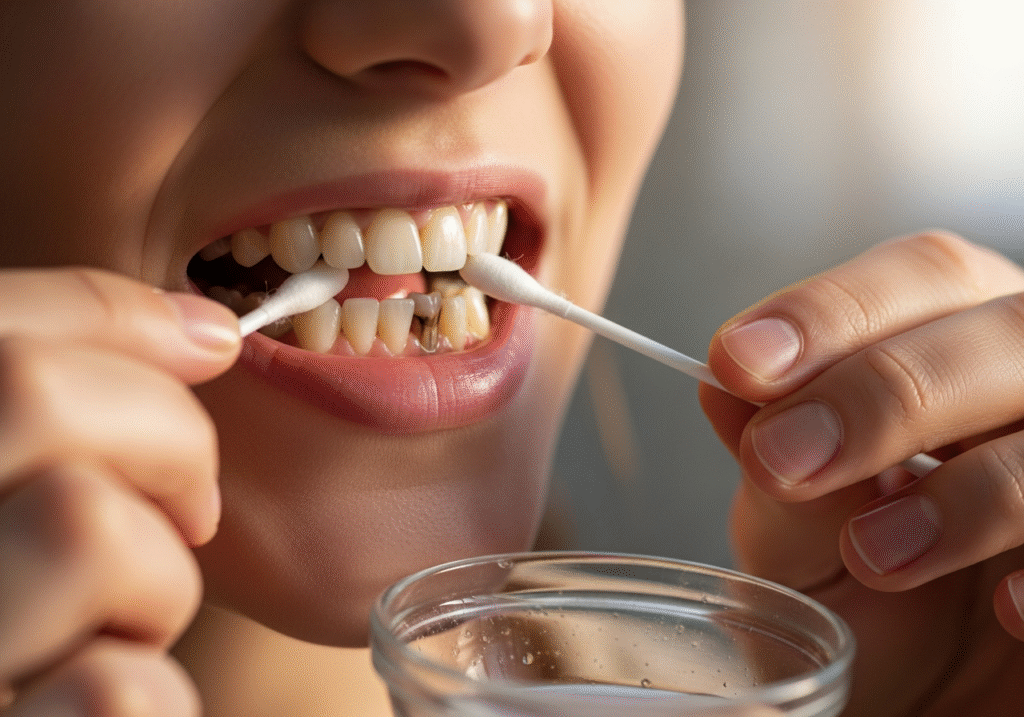
After the first day or two, your focus should shift from gauze use to complete healing. Proper long-term care ensures a smooth recovery:
- Maintain oral hygiene carefully: Brush teeth gently, avoiding the extraction site, and rinse with a mild salt water solution starting 24 hours post-extraction.
- Manage swelling and pain: Continue using ice packs for the first 24–48 hours. After that, switch to warm compresses if swelling persists. Pain should gradually decrease; if it worsens, consult your dentist.
- Avoid smoking and alcohol: Both can interfere with healing and increase the risk of dry socket.
- Rest adequately: Avoid strenuous exercise or bending over, as these can increase blood pressure and disrupt clot formation.
- Follow a soft food diet: Include nutrient-rich foods that are easy to chew and swallow. Gradually reintroduce solid foods as healing progresses, typically after 3–5 days.
Recommended Diet Timeline After Wisdom Tooth Extraction
Recovery diet is essential to protect the clot and support healing. Here’s a simple timeline:
First 24 hours: Stick to liquids and very soft foods such as yogurt, smoothies, soups, mashed potatoes, and applesauce. Avoid hot drinks and spicy foods.
24–48 hours: Continue soft foods but add items like scrambled eggs, soft pasta, oatmeal, and cottage cheese. Maintain hydration.
48–72 hours: You can slowly introduce slightly firmer foods like soft bread, pancakes, or soft-cooked vegetables. Chew away from the extraction site.
After 3–5 days: Most patients can eat most foods, avoiding hard, crunchy, or sticky items for 1–2 weeks to prevent dislodging the clot.
Tips: Avoid straws, chewing gum, and alcohol. These can interfere with clot stability and slow healing.
Additional Safety Measures
While gauze is a small tool, overall safety and healing depend on multiple practices:
- Monitor for infection: Redness, pus, or fever may indicate infection and require immediate dental care.
- Avoid unnecessary medications: Only take prescribed pain relievers or antibiotics. Overuse of over-the-counter drugs can mask symptoms.
- Stay upright after extraction: Recline slightly, but avoid lying flat for prolonged periods in the first day.
- Track your healing: Note changes in pain, bleeding, and swelling. Early recognition of complications allows prompt intervention.
Part 3 Summary:
In this part, we covered detailed FAQs, long-term recovery tips, diet recommendations, and additional safety measures to protect the extraction site. Following these steps ensures a safe transition from gauze use to complete oral recovery while minimizing complications.
Real-Life Case Studies on Gauze Use and Healing
Understanding real experiences can provide valuable insights into proper post-extraction care. Here are a few examples:
Case 1: Successful Gauze Use
A 24-year-old patient had two lower wisdom teeth removed. They followed the dentist’s instructions carefully, using gauze for the first two hours. Bleeding slowed gradually, and gauze was removed without complications. The patient followed a soft-food diet and proper hygiene, leading to a smooth recovery without pain or infection.
Case 2: Premature Gauze Removal
A 26-year-old removed gauze too early, only 30 minutes post-extraction. The clot dislodged, causing a dry socket. The patient experienced severe pain and required additional dental treatment. This case illustrates the importance of following the recommended timeline.
Case 3: Heavy Bleeding Management
A 29-year-old patient experienced prolonged bleeding due to high blood pressure. By using gauze with gentle pressure and a moistened tea bag, bleeding was controlled. The patient followed up with their dentist and successfully healed within a week.
Case 4: Neglecting Soft Food Diet
A 22-year-old patient resumed normal chewing immediately after removing gauze. Hard foods irritated the site, delayed clot stabilization, and caused discomfort. Recovery was prolonged, highlighting the importance of diet alongside gauze use.
These cases show that following proper gauze usage, diet, and hygiene instructions significantly reduces complications and promotes faster healing.
Common Mistakes After Wisdom Tooth Extraction
Even minor mistakes can disrupt healing. Some of the most frequent errors include:
- Removing gauze too early: Premature removal can dislodge the clot and cause dry socket.
- Using gauze incorrectly: Over-biting or shifting gauze frequently can prevent clot formation.
- Ignoring diet restrictions: Eating hard or sticky foods too soon increases irritation.
- Smoking or drinking alcohol: Both slow healing and increase the risk of infection.
- Rinsing too aggressively: Vigorous rinsing can dislodge the clot and restart bleeding.
- Neglecting oral hygiene: Failing to gently clean other teeth and rinse properly can increase bacteria around the socket.
Avoiding these mistakes ensures smooth recovery and minimizes the risk of complications.
Step-by-Step Aftercare Instructions
Following a structured aftercare routine can dramatically improve recovery:
- Immediate Care: Keep gauze in place for 30–60 minutes post-extraction. Replace if soaked and avoid talking or moving your jaw excessively.
- First 24 Hours: Focus on rest, hydration, and soft foods. Apply ice packs externally to reduce swelling. Avoid straws and spitting.
- 24–48 Hours: Begin gentle saltwater rinses, continue soft diet, and monitor bleeding. Pain should begin to subside gradually.
- 48–72 Hours: Slightly firmer foods can be introduced, but chew away from the extraction site. Swelling and bruising should decrease.
- One Week: Most patients can resume normal oral hygiene with caution around the extraction site. Pain and swelling should be minimal.
- Follow-Up: Attend scheduled dental appointments to ensure proper healing and check for any signs of complications.
By following this step-by-step routine, patients can avoid setbacks and enjoy a smoother recovery.
Preventing Complications After Gauze Removal

Complications like dry socket, infection, or prolonged bleeding can occur if the extraction site isn’t properly cared for. Preventive measures include:
- Maintain proper oral hygiene: Brush surrounding teeth carefully, avoiding the extraction site, and rinse gently with salt water.
- Follow dietary recommendations: Stick to soft foods and gradually reintroduce solid foods after 3–5 days.
- Avoid smoking and alcohol: Both interfere with healing and increase infection risk.
- Monitor for unusual symptoms: Persistent severe pain, swelling, or foul odor can indicate infection or dry socket. Contact your dentist immediately if these occur.
- Follow post-operative instructions: Adhere to your dentist’s advice on gauze usage, medications, and follow-up visits.
Preventive care is more effective than treatment after complications arise. Understanding how to protect the clot and extraction site is key.
Extra Tips for a Smooth Recovery
Successful recovery isn’t only about gauze; several lifestyle practices enhance healing:
- Stay hydrated: Drink plenty of water but avoid straws during the first week.
- Rest adequately: Avoid strenuous physical activity for at least 48 hours.
- Use prescribed medications: Follow instructions for pain relievers and antibiotics.
- Monitor healing progress: Keep track of swelling, pain, and bleeding daily.
- Manage stress: Stress can negatively affect immune response and healing. Relaxation and rest are crucial.
- Seek help when necessary: Don’t hesitate to contact your dentist if you notice any unusual symptoms.
Part 4 Summary:
In this section, we explored real-life case studies, common mistakes, step-by-step aftercare instructions, preventing complications, and extra tips for a smooth recovery. Following these guidelines ensures that patients use gauze effectively, avoid dry socket, and achieve fast, safe healing.