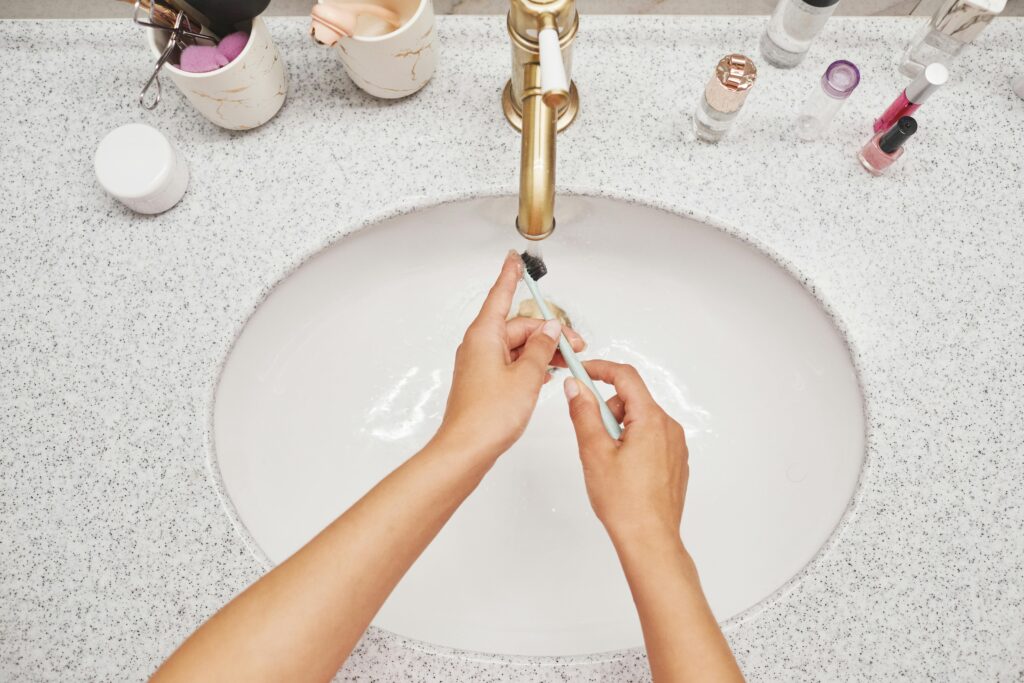
How To Get Something Out Of Your Tooth

Having an object stuck in your tooth can be a frustrating and painful experience. It’s essential to address this issue promptly to maintain good dental hygiene and prevent potential complications.

I will guide you through simple and effective methods to safely remove objects from your teeth. This will help you avoid discomfort and further dental issues.

How To Get Something Out of Your Tooth

How to get something out of my tooth

From common household items to professional dental tools, various techniques can help you get back to smiling confidently. It’s crucial to understand the best approaches to avoid causing more harm.

Key Takeaways

  • Understand the risks associated with objects stuck in teeth.
  • Learn simple methods to remove objects safely.
  • Discover the importance of maintaining good dental hygiene.
  • Explore professional dental tools and techniques.
  • Know when to seek professional dental help.

Why Things Get Stuck in Teeth

Dealing with food particles stuck between my teeth has led me to explore the causes. It’s essential to grasp why this happens to maintain good oral hygiene and avoid discomfort.

Common Food Items That Frequently Get Trapped

Certain foods are more likely to get stuck due to their texture and size. For example, popcorn kernels, seeds, and fibrous vegetables like celery easily get trapped. Knowing these foods can help us prevent such issues.

Anatomy of Teeth and Why Trapping Occurs

The dental anatomy significantly influences why objects get stuck. Teeth have crevices and grooves where food can get caught. This knowledge aids in better oral hygiene practices.

Different Types of Dental Spaces Where Objects Lodge

Objects can lodge in various dental spaces, such as between teeth, in molar grooves, or under the gum line. Recognizing these areas helps in effective cleaning and prevention.

Understanding why food gets stuck allows us to take preventive measures. This ensures better oral health.

When to Try Home Remedies vs. Seeking Professional Help

Knowing when to attempt self-removal versus when to seek dental help is crucial. This distinction can prevent complications and safeguard your oral health. It’s about recognizing the signs that guide you towards the right course of action.

Signs It’s Safe to Try Self-Removal

For small, soft objects like a piece of bread or a leafy green, home remedies might work. Gently floss or rinse with warm water. Yet, if the object is sharp or you’re unsure, professional assistance is advised.

Warning Signs You Need a Dentist Immediately

Some situations demand immediate dental care. Severe pain, bleeding, or a deeply lodged object are clear indicators. If home remedies fail, or if you’re in doubt, don’t delay in visiting a dentist.

SituationAction
Small, soft food particleTry home remedies like flossing or rinsing
Sharp or deeply lodged objectSeek immediate dental attention
Severe pain or bleedingVisit a dentist immediately

Managing Pain While Something Is Stuck

Effective pain management is essential while waiting for dental help or trying removal. Over-the-counter pain relievers can offer relief. Warm salt water rinses can also help reduce discomfort. As a dental expert suggests,

“Rinsing with salt water can help reduce inflammation and ease pain until you can get to a dentist.”

Delete

By knowing when to apply home remedies and when to seek professional help, you can effectively manage the situation. This approach protects your oral health.

Essential Tools for Removing Objects from Teeth

Choosing the right tools is crucial for safely removing objects from your teeth. The correct tools can greatly impact how you manage the situation.

Household Items That Work Safely

Several household items can safely remove objects from your teeth. Floss is highly effective for this task. It’s made to remove food and plaque between teeth, also working for stuck objects. A soft-bristled toothbrush can gently brush around the area, helping to loosen the object.

A rubber-tipped dental stimulator is another useful item. It can gently stimulate gums to dislodge the object. Yet, be careful not to apply too much pressure to avoid discomfort or harm.

Dental Tools Worth Having at Home

There are specific dental tools worth keeping at home. Interdental brushes are great for cleaning between teeth and removing stuck objects. Dental picks can also be helpful, but use them carefully to prevent gum or tooth damage.

What Not to Use – Dangerous Improvised Tools

It’s tempting to use any tool to remove an object from your teeth. However, some items are dangerous. Sharp objects like knives, needles, or metal picks can seriously harm your teeth, gums, and mouth. Using them can lead to infections, pain, and expensive repairs.

Also, avoid using excessive force or improvised tools not designed for dental care. This can push the object deeper into your teeth or cause other damage. If unsure, always consult a dental professional.

How to Get Something Out of My Tooth Using Floss

Flossing is a simple yet powerful technique for dislodging food particles and other objects from between your teeth. When done correctly, it can be an effective method for removing trapped items without causing damage to your gums or tooth enamel.

Standard Flossing Technique for Object Removal

To remove an object stuck between your teeth using floss, start by taking a long piece of floss. Wrap it around your middle fingers, leaving about an inch of floss in between. Gently slide the floss between your teeth, curving it around the edge of the tooth in a “C” shape. Be careful not to snap or force the floss, as this could damage your gums. Instead, use a gentle zig-zag motion to work the floss back and forth, easing the object out.

How To Get Something Out of Your Tooth

flossing technique

Using Floss Picks and Threaders for Hard-to-Reach Areas

For areas that are difficult to reach with regular floss, consider using floss picks or threaders. Floss picks are pre-threaded tools that allow you to navigate tight spaces with ease. Threaders, on the other hand, are designed to help guide floss around dental work like braces. These tools can be particularly useful for removing objects stuck in hard-to-reach areas.

Special Techniques for Molars vs. Front Teeth

The technique for removing objects from molars can differ from that used for front teeth due to their location and the shape of the surrounding area. For molars, you may need to use a more angled approach with your floss or consider using a floss pick designed for back teeth. For front teeth, a standard flossing technique is usually sufficient. Regardless of the tooth location, patience and gentleness are key to successfully removing the object without causing discomfort or damage.

Using Interdental Brushes and Picks Effectively

To keep your mouth clean, it’s key to know how to use interdental brushes and picks. These tools are made to get rid of food and plaque stuck between your teeth and under the gums. Regular brushing might not reach these spots.

Choosing the Right Size Interdental Tool

Picking the right size interdental brush or pick is crucial for cleaning and to prevent gum damage. The size should match the space between your teeth. It’s recommended to consult with your dentist to find the best fit for you.

Interdental Tool SizeSpace Between TeethRecommended Use
SmallTight spacesIdeal for narrow gaps between teeth
MediumModerate spacesSuitable for most adults with average spacing
LargeWider spacesBest for individuals with larger gaps between teeth

Step-by-Step Technique for Safe Removal

Start by gently placing the interdental brush or pick between your teeth, curving it around the tooth edge. Move the brush back and forth to loosen any debris. Don’t push too hard, as this could harm your gums or tooth enamel.

Cleaning Your Tools After Use

Rinse your interdental brushes or picks well with water after each use. Soaking them in antibacterial mouthwash can also help. Cleaning them regularly stops bacteria buildup and keeps your tools in good condition.

Water Flossers and Irrigation Methods

Water flossing is a modern technique that makes removing objects from your teeth easy. It uses a water stream to dislodge trapped items. This method boosts oral hygiene and lowers dental problem risks.

Effective Setup for Your Water Flosser

To maximize your water flosser’s benefits, proper setup is key. Begin by filling the reservoir with warm water. Next, select the right tip for your needs. Position the tip at a 90-degree angle to your gum line and activate the device. Start with a low pressure and adjust as necessary.

How To Get Something Out of Your Tooth

water flosser

Adjusting Pressure for Different Objects

The water flosser’s pressure setting must be adjusted for various objects. For large food pieces, you might need to increase the pressure. Yet, avoid excessive pressure to prevent gum or enamel damage.

  • Low pressure: Ideal for sensitive teeth and gums or for removing small particles.
  • Medium pressure: Suitable for most cases of trapped food.
  • High pressure: Use with caution for stubborn objects, but avoid using it on sensitive areas.

Combining Water Flossing with Other Methods

For tough objects, combining water flossing with other methods can be effective. Use floss to loosen the object first, then the water flosser to remove it. This approach is particularly useful for objects stuck between molars.

Integrating water flossing into your oral care routine can remove trapped objects and enhance dental health.

Rinsing Techniques to Dislodge Trapped Food

Rinsing techniques are a simple yet effective way to remove food particles stuck between your teeth. When food gets trapped, it can cause discomfort and potentially lead to more serious issues if not addressed. Fortunately, there are several rinsing methods you can try at home.

Salt Water Rinse Method

The salt water rinse is one of the most effective and easiest methods to dislodge trapped food. Mix 1/2 teaspoon of salt in a glass of warm water and swish it around your mouth. The salt helps reduce swelling and can dislodge the food particle. This method is not only effective but also soothing for your gums.

Oil Pulling for Stubborn Objects

Oil pulling is an ancient practice that involves swishing oil in your mouth to remove bacteria and debris. For stubborn objects, you can try using coconut oil or sesame oil. Take a tablespoon of oil and swish it around your mouth for about 15-20 minutes. Oil pulling can help loosen the trapped food and improve oral hygiene.

When to Try Mouthwash or Hydrogen Peroxide Solutions

If the trapped food is particularly stubborn, you might consider using a mouthwash or a diluted hydrogen peroxide solution. Mouthwash can help kill bacteria and loosen the food particle. However, be cautious with hydrogen peroxide; it should be diluted (typically 1.5% or less) to avoid irritating your gums and mouth tissues. Always follow the instructions on the label and consult your dentist if you’re unsure.

Here are some key points to remember when using rinsing techniques:

  • Always use warm water for rinsing to help loosen the food particle.
  • Be gentle to avoid damaging your gums or tooth enamel.
  • If the problem persists, consult your dentist for professional advice.

Using Toothpicks and Wooden Tools Safely

Toothpicks can be handy for dislodging stuck food, but caution is key. Misuse can harm gums or push debris deeper between teeth.

Proper Angle and Pressure Techniques

To effectively use a toothpick, insert it at a gentle angle between teeth. Be careful not to force it or apply too much pressure, which can irritate the gums.

Safety Precautions to Prevent Gum Damage

To prevent gum damage, never use a toothpick with a rough or splintered end. Choose smooth, rounded toothpicks instead.

Toothpick TypeSafety Features
Smooth, roundedGentle on gums
Rough or splinteredMay cause gum irritation

Alternatives to Traditional Toothpicks

For those wary of traditional toothpicks, consider interdental brushes or wooden dental sticks with a tapered end. These are gentler on your gums.

How To Get Something Out of Your Tooth

toothpicks and gum care

Dealing with Non-Food Objects Stuck in Teeth

Non-food objects stuck in teeth can be a surprising and uncomfortable issue. It’s less common than food getting stuck, but it can be more serious. It requires careful handling.

Removing Small Foreign Objects Like Splinters

If you’ve got a small foreign object like a splinter stuck in your tooth, stay calm. Gently try to dislodge it with floss or an interdental brush. Avoid using sharp objects that could damage your gums or tooth enamel.

Dental experts stress the importance of using the right tools when dealing with foreign objects in teeth. This is to prevent further damage.

“The key is to be gentle and patient, as rough handling can lead to more severe problems.”

What to Do About Broken Dental Work

Broken dental work, like a fractured filling or crown, can feel like an object stuck in your tooth. If this happens, contact your dentist immediately for advice. They may recommend a temporary fix until you can come in for a proper repair.

SituationImmediate ActionLong-term Solution
Broken FillingContact dentist for temporary fixProfessional filling replacement
Lost CrownUse dental cement or temporary kitCrown re-cementation or replacement

When DIY Removal Is Too Risky

While some objects might be removable at home, there are situations where DIY removal is too risky. If the object is sharp, deeply lodged, or you’re unsure about how to proceed, seek professional dental help immediately.

Key risks of DIY removal include:

  • Damaging gums or tooth structure
  • Pushing the object further into the tooth or gum
  • Infection or abscess formation

In conclusion, dealing with non-food objects stuck in teeth requires caution and the right approach. When in doubt, consulting a dental professional is always the safest choice.

Preventing Objects from Getting Stuck in the Future

To avoid objects getting stuck in your teeth, prevention is key. Being mindful of your diet and practicing good oral hygiene can greatly reduce the risk. This approach helps keep your teeth free from unwanted obstructions.

Foods to Be Careful With

Some foods are more prone to getting stuck, like popcorn, nuts, and sticky candies. Being cautious with these can prevent many issues.

Regular Dental Hygiene Practices

Brushing your teeth at least twice a day and flossing daily are essential. They help remove plaque and food particles that could get stuck. Regular dental check-ups also catch and treat oral health problems early.

Dental Products That Help Prevent Trapping

Using the right dental products, such as interdental brushes and floss picks, can keep your teeth clean. They help prevent objects from getting stuck.

When to Consider Dental Work for Problematic Spaces

If food often gets stuck in a specific area, it’s time to see your dentist. They can discuss dental work to fix the issue.

Conclusion

Removing objects stuck in your teeth requires patience and the right techniques. By following the tips outlined in this article, you can safely remove stuck objects and maintain good oral hygiene. Regular dental care practices are essential to prevent these issues in the future.

To keep your teeth healthy, it’s crucial to follow dental care tips such as flossing daily, using an antibacterial mouthwash, and visiting your dentist regularly. Proper tooth care can help prevent objects from getting stuck and reduce the risk of oral health problems.

By adopting these habits and being mindful of the foods you eat, you can enjoy a healthy, confident smile. Remember, a beautiful smile starts with good oral hygiene and regular dental check-ups.

FAQ

What should I do if I have something stuck in my tooth?

If something is stuck in your tooth, stay calm and assess the situation. Try to remove it with floss, an interdental brush, or a water flosser. But, if it’s big, sharp, or hurts, get dental help right away.

Can I use a toothpick to remove food from my teeth?

Yes, you can use a toothpick, but be careful not to hurt your gums. Use it gently and at a shallow angle to avoid injury.

How can I prevent food from getting stuck in my teeth?

Preventing food from getting stuck involves good oral hygiene. Brush and floss regularly and choose foods wisely. Avoid foods like popcorn or sticky candies. Regular dental check-ups can also help spot issues early.

Is it safe to use a water flosser to remove stuck food?

Yes, water flossers are safe and effective for removing stuck food. Just follow the manufacturer’s instructions and adjust the pressure as needed.

What if I have a non-food object stuck in my tooth?

If a non-food object, like a splinter, is stuck, be cautious. Don’t try to remove it yourself, especially if it’s big or sharp. Seek dental help right away to avoid more damage.

Can oil pulling help dislodge stuck food?

Oil pulling can help dislodge stuck food, especially when used with other methods. Swish oil like coconut or sesame oil around your mouth to loosen the object.

How do I know when to seek professional dental help?

Seek dental help if you’re in pain, uncomfortable, or can’t remove an object. Also, if the object is large, sharp, or you’re unsure, a dentist can help.

Are there any dental products that can help prevent food from getting stuck?

Yes, products like interdental brushes, floss picks, and water flossers can prevent food from getting stuck. Using them regularly in your oral hygiene routine can help.

Leave a Comment

Your email address will not be published. Required fields are marked *