How To Pull A loose Tooth

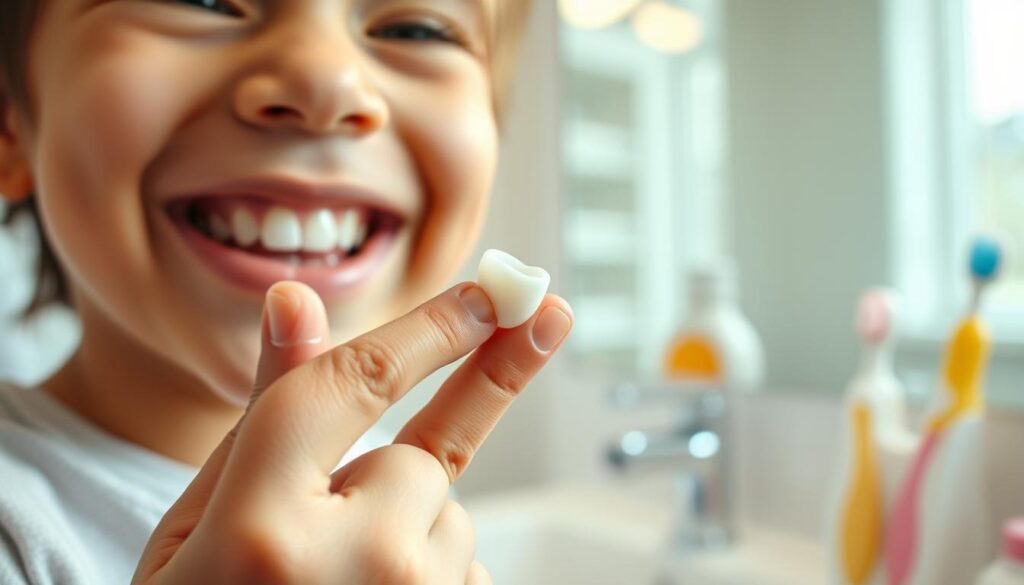
Seeing your child’s first loose tooth is exciting. It shows they’re growing and getting ready for permanent teeth. But, it can be scary to decide if you should pull it yourself or take them to the dentist.

Safely extracting a loose tooth is key to avoid pain or infection. It’s not just about looks; a bad tooth can cause bigger problems if not fixed right.

How To Pull A loose Tooth

How To Pull A loose Tooth

I’ll show you how to safely pull your child’s loose tooth. You’ll be ready to help them through this important step.

Key Takeaways

  • Understanding when a loose tooth is ready for extraction.
  • Steps to safely pull a loose tooth at home.
  • Precautions to avoid infection or complications.
  • Signs that indicate a need for professional dental assistance.
  • Aftercare tips for a smooth recovery.

Understanding When a Tooth Is Ready to Be Pulled

Knowing when a tooth is ready to be pulled is key for a smooth process. As a parent, it’s important to know when a tooth is loose enough for extraction. A tooth ready to be pulled will be very loose, making it easy to wiggle.

Signs a Tooth Is Loose Enough to Pull

A tooth is ready to be pulled when it shows certain signs. These include:

  • Significant looseness, allowing for gentle movement
  • The tooth is easily wiggled back and forth
  • Little to no resistance when gentle pressure is applied

Normal Timeline for Baby Teeth Loss

Baby teeth start falling out between 5 to 7 years old. This process ends when the child is 12 to 14 years old. The first to go are usually the lower front teeth.

  1. Lower central incisors (lower front teeth)
  2. Upper central incisors (upper front teeth)
  3. Lower lateral incisors
  4. Upper lateral incisors

Knowing this timeline helps parents prepare for their child’s tooth loss.

The Science Behind Loose Baby Teeth

The loosening of baby teeth is a complex process. It’s influenced by the development of permanent teeth. As children grow, their dental structure changes a lot. This is to make room for the permanent teeth.

How Teeth Naturally Loosen

The roots of baby teeth are slowly broken down by the body. This makes the tooth loosen. It’s a natural part of growing teeth, leading to the tooth falling out.

Delete

The Role of Permanent Teeth in the Process

Permanent teeth are key in loosening baby teeth. As they grow, they push against the baby teeth roots. This pushes the baby teeth to dissolve, leading to their loosening and loss.

ProcessDescription
Roots ResorptionThe body gradually dissolves the roots of baby teeth.
Permanent Teeth DevelopmentDeveloping permanent teeth push against baby teeth roots, causing resorption.
Tooth LooseningThe tooth becomes loose as its roots are resorbed.

Preparing for a Safe Tooth Extraction at Home

Preparing for a tooth extraction at home requires the right tools and a clean space. I’ll show you how to get ready for a safe extraction.

Necessary Supplies and Tools

You’ll need some basic items for a safe tooth extraction. These include:

  • A clean gauze or cloth to control bleeding
  • A pair of clean tweezers or a tissue to grip the tooth
  • Antiseptic wipes or mouthwash to maintain oral hygiene

Having these necessary supplies ready can help avoid infection and make the extraction easier.

Creating a Clean Environment

A clean environment is key for a safe tooth extraction at home. Clean the area around the tooth with antiseptic wipes or mouthwash first. This step helps prevent bacteria from getting into the extraction site.

Dental experts say keeping the area clean is crucial. It helps prevent infection and aids in healing. Make sure your hands and tools are clean to lower the risk of problems.

How To Pull A Loose Tooth: Step-by-Step Guide

Pulling a loose tooth needs care to do it safely and right. As a parent, you’re key in helping your child through this. Here’s a guide to help you both feel confident.

Washing Hands and Preparing the Area

First, wash your hands well with soap and water. This stops bacteria from getting into the mouth and causing infection. Make sure the area around the tooth is clean by having your child rinse their mouth with water.

How To Pull A loose Tooth

how to pull a loose tooth

The Wiggle and Twist Method

The wiggle and twist method is a common way to pull a loose tooth. Hold the tooth with a clean gauze or cloth and wiggle it. As it loosens, twist it until it’s ready to come out. This method works well because it loosens the tooth without too much pressure.

The Tissue Grip Technique

The tissue grip technique uses gauze to grip the tooth. It gives a good grip and helps pull the tooth out smoothly. It’s a simple yet effective method that many parents find helpful.

What to Do If the Tooth Resists

If the tooth doesn’t come out easily, don’t force it. Forcing can cause pain, bleeding, or gum damage. Instead, wait a few days and try again or see a dentist for advice. Sometimes, a tooth just needs a bit more time to loosen.

TechniqueDescriptionAdvantages
Wiggle and TwistGently wiggle the tooth back and forth before twisting it.Effective for loosening the tooth without applying too much pressure.
Tissue GripUse gauze to grip the tooth for a smooth extraction.Provides a good grip, making the process smoother.

By following these steps and techniques, you can make pulling a loose tooth a positive experience for your child. Remember, patience and care are key to ensuring the process is safe and effective.

Natural Methods to Loosen a Stubborn Tooth

Loosening a stubborn tooth can be tough, but there are natural ways to do it. As a parent, it’s key to encourage your child to try these methods first. This way, you avoid more serious options.

Foods That Help Loosen Teeth

Some foods can help loosen a stubborn tooth. Crunchy fruits and veggies like apples, carrots, and celery work well. They’re not just good for you, but they also help loosen the tooth gently.

  • Apples
  • Carrots
  • Celery
  • Crunchy fruits and vegetables

Gentle Wiggling Techniques That Work

Gentle wiggling can also help a stubborn tooth come out. Use clean fingers to gently wiggle the tooth back and forth. This method loosens the tooth without causing pain.

  1. Wash your hands thoroughly before touching the tooth.
  2. Gently wiggle the tooth with your fingers.
  3. Avoid forcing the tooth if it doesn’t move easily.

Remember to be patient and not force the tooth. Forcing it can lead to pain or infection. Using these natural methods, you can help your child lose their stubborn tooth safely.

Managing Pain and Anxiety During Tooth Removal

Tooth removal can be scary, but there are ways to make it easier. As a parent, knowing how to help your child feel less pain is key.

Comfort Measures Before Pulling

Make sure your child is relaxed before the tooth is pulled. You can do this by reading a book or listening to calming music. Using a topical anesthetic like benzocaine can also help numb the area, making it less painful.

Distractions That Help Children Through the Process

Distractions can really help. Let your child watch their favorite video or play a game. Some kids find it helpful to take deep breaths or say positive things to themselves to stay calm.

When to Consider Over-the-Counter Pain Relief

If your child is in pain after the tooth is removed, you might want to try over-the-counter pain medicine. But, always check with your dentist or pediatrician first to make sure you’re giving the right amount.

Comfort MeasureDescriptionBenefit
Topical AnestheticsNumbing the area around the toothReduces pain during extraction
DistractionsWatching a video or playing a gameReduces anxiety and discomfort
Over-the-Counter Pain ReliefMedication for post-extraction painEases pain after the procedure
How To Pull A loose Tooth

managing pain during tooth removal

Post-Extraction Care for Your Child

After your child loses a tooth, it’s important to take good care of them. This means managing any bleeding or pain and choosing the right foods for healing.

Managing Bleeding and Discomfort

Some bleeding is normal after a tooth is pulled. To stop it, have your child bite on a clean gauze pad for 30 minutes. If it keeps bleeding, swap the gauze for a new one. It’s crucial to watch the bleeding and get help if it doesn’t stop after a few hours.

Feeling uncomfortable is common too. You can help by giving your child a cold compress to reduce swelling. Or, offer a soft, cold snack to numb the area. Over-the-counter pain relief might be okay, but check with your dentist or pediatrician first.

  • Monitor bleeding and change gauze as needed.
  • Use a cold compress to reduce swelling.
  • Offer soft, cold foods to ease discomfort.

Foods to Eat After Tooth Removal

Choosing the right foods is key to your child’s recovery. Go for soft, gentle foods that won’t bother the extraction site. Some good choices are:

  1. Yogurt
  2. Mashed potatoes
  3. Scrambled eggs
  4. Applesauce

Stay away from hot, spicy, or hard foods until the area heals. Also, avoid straws because they can dislodge the blood clot.

By following these tips, you can help your child recover well and feel better after losing a tooth.

When to Seek Professional Help Instead

Knowing when to get help for a loose tooth is key to keeping your child’s teeth healthy. While some loose teeth can be pulled at home, others need a dentist’s help.

Warning Signs of Complications

Watch for signs that a tooth extraction might go wrong. Look out for:

  • Excessive bleeding that doesn’t stop after 10-15 minutes
  • Severe pain that lasts
  • Swelling or inflammation around the tooth
  • Fever or signs of infection

If you see any of these, get professional help right away.

Finding Emergency Dental Care

If your child shows any of these signs, find emergency dental care fast. Here’s how:

StepDescription
1Contact your child’s dentist for advice or an emergency appointment.
2If the dentist is unavailable, look for an emergency dental clinic in your area.
3In severe cases, visit the emergency room for immediate attention.

Being ready and knowing where to go can greatly help your child’s recovery and oral health.

How To Pull A loose Tooth

emergency dental care

Making the Experience Positive for Your Child

As a parent, making the tooth-pulling experience a positive memory for your child is possible. You can do this by planning carefully and setting up fun traditions. It’s key to make the environment both comforting and exciting for your child.

Tooth Fairy Traditions and Ideas

The Tooth Fairy’s visit is a highlight when a child loses a tooth. You can make this moment even more special by starting a unique tradition. For example, leave a note or a small gift under the pillow.

Some families like to leave a trail of glitter or a small token from the Tooth Fairy. This adds a touch of magic to the experience.

Celebrating This Childhood Milestone

Celebrating the loss of a first tooth is a great way to make the experience positive. You could throw a small party, have a special dinner, or create a memory book. These actions help your child feel proud and excited about this important milestone.

By focusing on the positive and creating fun traditions, you can help your child see tooth extraction as a natural and exciting part of growing up.

Conclusion

Pulling a loose tooth is a big step for kids, showing they’re growing up. Knowing when and how to pull a tooth safely is key. It helps avoid problems and makes the experience less scary for the child.

It’s very important to remove teeth the right way. Parents can make it safe and easy by following some steps. This includes getting ready with the right tools, keeping things clean, and being gentle when pulling the tooth.

To sum up, success in tooth extraction comes from being patient, prepared, and gentle. Making the experience positive helps kids see it as a normal part of growing up. A visit from the tooth fairy can make this moment even more special and joyful.

FAQ

What are the signs that a tooth is ready to be pulled?

A tooth is ready to be pulled if it’s loose and can be wiggled easily. Your child might also feel a bit of pain or discomfort.

How can I check if a tooth is loose enough to pull?

To check if a tooth is loose, gently wiggle it with your fingers or your child’s tongue. This will show if it’s ready to come out.

What is the normal timeline for baby teeth loss?

Children usually start losing baby teeth between 5 to 7 years old. This process goes on until they are 12 to 14 years old.

What are some natural methods to loosen a stubborn tooth?

Eating crunchy foods like apples or carrots can help loosen a stubborn tooth. You can also try gently wiggling it with your fingers or a clean cloth.

How can I manage pain and anxiety during tooth removal?

To manage pain and anxiety, offer comfort like reassurance or distractions. You can also use over-the-counter pain relief if a dentist advises it.

What should I do after the tooth has been pulled?

After the tooth is pulled, apply gentle pressure to the socket with a clean cloth or gauze. This stops bleeding. Also, have your child avoid hot or spicy foods for a while.

When should I seek professional help instead of pulling the tooth at home?

If the tooth is not loose enough, impacted, or shows signs of infection, seek professional help. Also, if your child has severe pain or discomfort, go to a dentist.

How can I make the tooth extraction experience positive for my child?

To make the experience positive, explain the process to your child. Use tooth fairy traditions and celebrate this milestone together.

What are some foods to eat after tooth removal?

After tooth removal, eat soft, cool, or lukewarm foods. Good options include yogurt, scrambled eggs, or mashed bananas. These foods help avoid discomfort or complications.

How do I find emergency dental care if needed?

To find emergency dental care, contact your child’s dentist or search online for services in your area. You can also visit an urgent care center

Leave a Comment

Your email address will not be published. Required fields are marked *